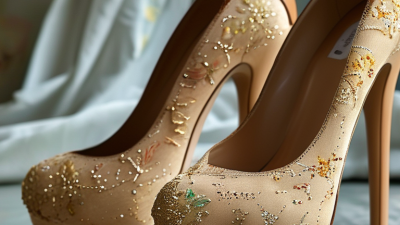
China Best Platform Heels Manufacturers for Global Buyers?
China has become a major sourcing destination for Platform Heels Heels, offering broad manufacturing capacity, varied materials, and flexible production models. Global buyers, however, need more than attractive catalog images. They must examine construction quality, supplier experience, testing procedures, communication, and export reliability.
Christian Louboutin, a widely recognized footwear designer, said, “A shoe has so much more to offer than just to walk.” His observation reflects the real challenge behind platform footwear. A successful pair must balance visual height with stability, comfort, durability, and controlled weight. Buyers should inspect the platform’s bonding, heel reinforcement, outsole grip, stitching, and insole padding. Small details matter. A loose edge can become a serious return problem.
This guide evaluates China’s leading manufacturers through practical purchasing criteria. These include design development, sample accuracy, material traceability, production consistency, quality inspection, packaging, and shipment coordination. Factory visits, third-party audits, and documented testing can strengthen buyer confidence. Product photos alone are not enough.
No shortlist is flawless. Supplier capabilities can change. Even experienced buyers may overlook communication delays or unclear mold ownership. That is why a responsible evaluation should compare evidence, not promises. The best manufacturer is not always the cheapest option. It is the partner that can repeatedly deliver Platform Heels Heels matching approved samples, agreed specifications, and market expectations. This article offers a clear starting point for global buyers seeking dependable Chinese footwear production.
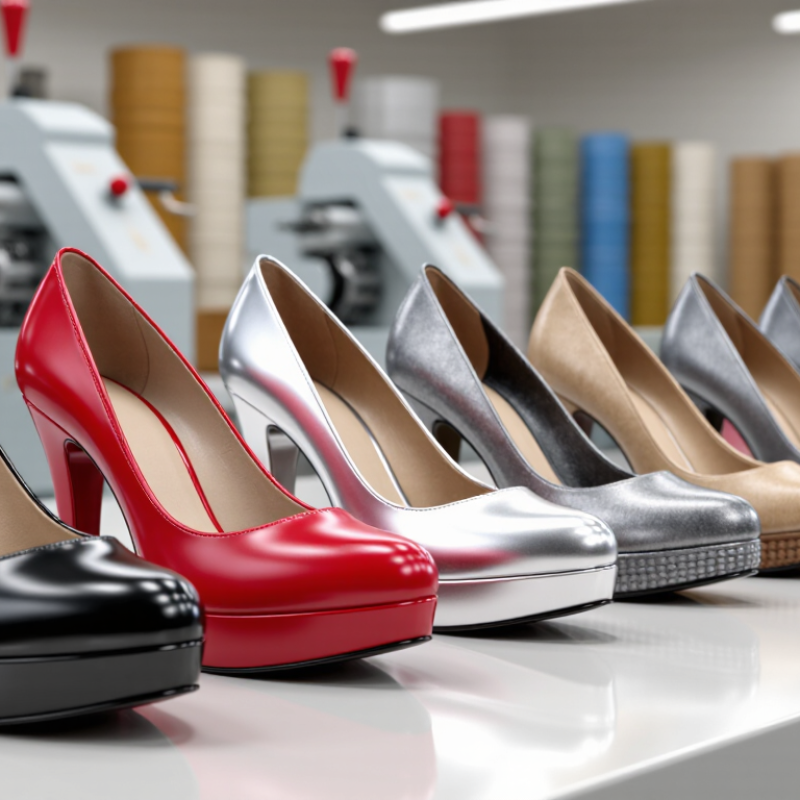
Understanding China’s Platform Heels Manufacturing Landscape
China’s platform heels manufacturing landscape is broad, export-oriented, and highly segmented.
The World Footwear Yearbook 2024 reports that China produced about 53% of global footwear in 2023. It also remained the world’s largest footwear exporter. However, these figures cover all footwear categories, not platform heels alone.
That distinction matters.
Experienced buyers should assess factories by construction capability, not catalog size. Ask for outsole compression tests, heel-load testing, bonding records, and recent production samples. A 120-millimeter platform may look stable in photos but feel unsafe if its center of gravity is poorly calculated. EVA, rubber, and molded PU each affect weight, flexibility, and aging. Factory audits should review cutting accuracy, stitching consistency, worker training, and rework rates.
China’s customs data and industry reports show the sector’s strong export infrastructure, but platform heels require closer technical control than ordinary sandals. Sampling should include walking trials on smooth floors, stairs, and uneven pavement. Request measurements after repeated wear, not only fresh samples. Small issues often appear late.
The weakness is obvious.
Some suppliers depend heavily on copied shapes and seasonal orders. That can limit material innovation and quality stability. Buyers should compare three production batches, verify laboratory documents independently, and record tolerances in written specifications. The World Footwear Yearbook offers useful market context, yet it cannot replace factory-level inspection. Reliable sourcing still depends on evidence, repeated testing, and honest communication about what the manufacturer cannot yet prove.
Key Criteria for Evaluating Chinese Platform Heels Manufacturers
China Best Platform Heels Manufacturers for Global Buyers?
Key Criteria for Evaluating Chinese Platform Heels Manufacturers
Choosing a Chinese platform heels manufacturer requires more than comparing online photos and quoted prices. Request physical samples, material specifications, and production records before making a decision. Examine the platform height, outsole grip, stitching, adhesive lines, and heel balance under normal walking pressure. A stable shoe should not twist easily when placed on a flat table.
Factory experience matters, but it should be verified through evidence. Ask for recent product examples, quality-control procedures, and details about sample approval. A reliable manufacturer should explain how workers inspect upper alignment, sole bonding, size consistency, and surface finishing. Clear answers usually reveal stronger technical knowledge. Vague promises do not.
Communication is another practical test. Confirm minimum order quantities, sample timelines, packaging details, and production capacity in writing. Ask whether the factory can maintain the same color and texture across repeated batches. Small differences may become serious retail problems. I have learned that a polished first sample can still hide weak consistency. This is easy to overlook.
Request pre-shipment inspection standards and agree on acceptable defect levels before production starts. Check whether the manufacturer can provide traceable material information and responsive corrective action. A low quotation may reflect thinner components, rushed assembly, or limited inspection. Sometimes, paying slightly more reduces replacement costs and customer complaints. The best evaluation combines factory evidence, hands-on testing, transparent communication, and realistic expectations.
Key Criteria for Evaluating Chinese Platform Heel Manufacturers
This practical buyer-evaluation framework assigns the greatest weight to product quality and production capacity, followed by compliance, customization, lead time, and communication. Buyers can adjust the weighting according to their target market, order volume, and product requirements. The percentages are evaluation priorities rather than company-specific performance data.
Leading Chinese Manufacturers for Different Buyer Requirements
Chinese platform heel manufacturers serve very different global buyer requirements. A boutique retailer may need 80 pairs with custom colors, while a distributor may require thousands of consistent units. The right supplier should match your order size, target price, delivery schedule, and product positioning.
Material selection changes both comfort and cost. Request samples with clear details about upper material, sole hardness, heel balance, and insole support. A platform heel should stand firmly on a flat surface. Check stitching, glue marks, edge finishing, and size consistency. Small defects often become expensive after large-scale production. They should not be ignored.
Experienced buyers also review factory capacity, inspection procedures, packaging strength, and export documentation. Ask for a written production timeline, not only a verbal promise. Reliable manufacturers can explain sampling, mold development, revisions, and final inspection in practical terms. Custom development may require a new mold, increasing cost and lead time. That part is sometimes underestimated.
Communication quality matters. Send a technical sheet with measurements, color references, heel height, logo placement, carton details, and acceptable tolerances. Then compare the received sample against every requirement. A low sample price can mislead. A cheaper offer may include weaker materials or limited quality control. Buyers should test carefully, negotiate respectfully, and keep records. No supplier is perfect. Clear feedback helps reveal whether a manufacturer can improve.
How Global Buyers Can Compare Suppliers and Place Orders
Global buyers should compare platform heels suppliers through evidence, not polished catalog photos. The World Footwear Yearbook 2024 reports that Asia produced about 88% of global footwear in 2023. This concentration offers manufacturing depth, but quality varies between factories. Request business licenses, recent export records, factory videos, and material specifications. Confirm heel height, platform density, outsole composition, and size tolerances in writing. A low price often hides weaker adhesives or inconsistent grading.
Ask each supplier for the same quotation sheet. Include order quantity, sample fees, tooling costs, packaging, lead time, inspection terms, and shipping basis. Compare landed cost, not factory price alone. The International Trade Centre’s Trade Map can help buyers review country-level footwear export values and supplier locations. Use third-party laboratory testing for slip resistance, flexing, bonding, and restricted substances. Keep approved samples beside production pairs during inspection. Small differences matter. A two-millimeter height change can affect balance and customer returns.
Tips: Start with a paid sample and a small trial order. Check carton labels, stitching, surface finish, and heel stability yourself. Use an independent inspection before final payment. Avoid unclear promises such as “premium quality.” A spreadsheet helps, but it can still mislead when testing evidence is missing. Leave room for defects, rework, and seasonal freight delays.