Why Choose Heels For Boots for Style and Comfort?
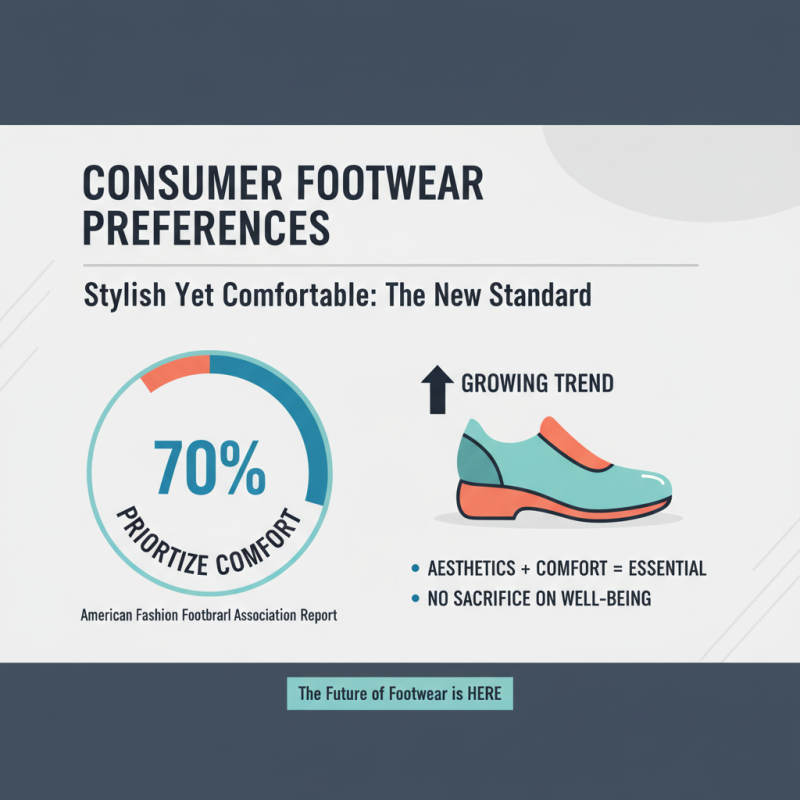
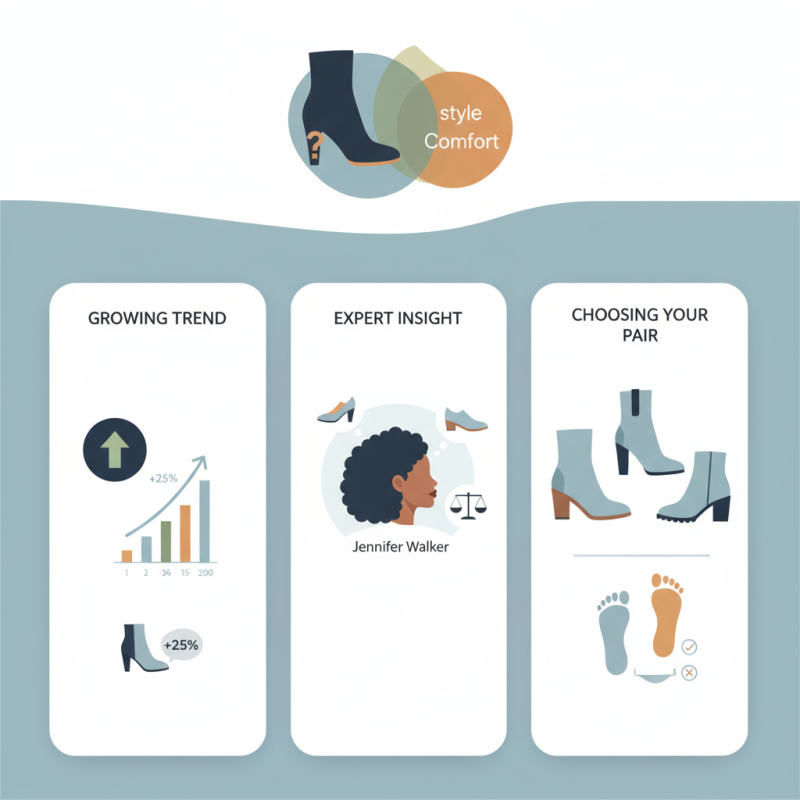
When it comes to footwear, "Heels For Boots" are a growing trend that combines style with comfort. A recent report from the Fashion Footwear Association indicates that the demand for heeled boots surged by 25% last year alone. This rise reflects a shift in consumer preferences towards versatile footwear that accommodates both fashion and function.
According to Jennifer Walker, a renowned footwear designer and expert in the industry, "Heels For Boots are not just about elevation; they redefine comfort while enhancing style." This statement encapsulates the essence of why many are choosing heeled boots today. The blend of aesthetics and practicality allows wearers to make a statement without sacrificing comfort.
Despite their appeal, choosing the right pair can be challenging. Not all heeled boots offer the same level of support and stability. It's crucial to consider individual foot shape and style preferences. While many love the look, some find themselves needing to rethink their fit. Making informed choices will ensure that your heeled boots not only look good but also align with your comfort needs.
The Evolution of Heeled Boots in Fashion History
Heeled boots have a rich history, evolving significantly over the centuries. In the 16th century, men wore heels for both fashion and status. They showcased wealth and power. As time passed, the 18th century saw women adopting this style, emphasizing femininity. The iconic stiletto heel emerged in the 1950s, reshaping the notion of elegance.
The evolution of heeled boots reflects societal changes. In the 1960s and 70s, they became symbols of liberation. Fashion icons embraced bold styles. Yet, as the urge for comfort grew, designers began blending practicality with aesthetic appeal. This led to the rise of block heels and platform designs, accommodating diverse lifestyles while keeping style intact.
Today, heeled boots are a staple in many wardrobes. They can elevate an outfit while providing varying levels of comfort. However, not all designs are made equal. Some may sacrifice comfort for style. Finding the right pair requires trial and error. Exploring various styles can lead to unexpected reflections on personal taste and comfort preferences.
The Impact of Heel Height on Foot Comfort and Support
Choosing the right heel height can significantly impact foot comfort and support. Low heels, around one inch, often provide a balanced option. They offer stability while allowing a slight elevation. This can reduce the stress on your arches. In contrast, higher heels can create an elegant silhouette but may come at a cost. Wearing heels that exceed three inches can lead to discomfort over time.
The angle of your foot in high heels shifts body weight forward. This increase in pressure on the balls of your feet can cause pain and fatigue. Some may not realize the strain until it's too late. Long hours in high shoes can lead to blisters, calluses, or even long-term foot issues. Awareness of how heel height affects posture can guide your choices.
Consider your activities when selecting boots with heels. If you plan to walk or stand for extended periods, opt for lower heels. Comfort should not be sacrificed for style. Finding that perfect balance is essential. Pay attention to how you feel after wearing your heels. A little discomfort can be a sign to rethink your choices. Foot health is crucial, and every step counts.
Why Choose Heels For Boots for Style and Comfort? - The Impact of Heel Height on Foot Comfort and Support
| Heel Height (inches) |
Style Category |
Comfort Rating (1-10) |
Support Level (1-10) |
Ideal Occasions |
| 1.5 |
Casual |
8 |
7 |
Daily Wear |
| 2.5 |
Dressy |
7 |
6 |
Parties, Events |
| 3.5 |
Formal |
5 |
5 |
Weddings, Formal Dinners |
| 4.5 |
Fashion |
4 |
4 |
Runway, Photoshoots |
| 2.0 |
Everyday Comfort |
9 |
8 |
Work, Casual Outings |
Materials Used in Heeled Boots and Their Effect on Wearability
When considering heeled boots, materials play a critical role in wearability.
Leather is a popular choice due to its durability and classic appeal.
It molds to the foot over time, providing comfort. However, not all leather is created equal. Some may be stiff initially and require breaking in, which can be uncomfortable.
Suede, another common material, offers a softer touch but may absorb moisture more easily, leading to potential wear and tear.
Synthetic materials are often lighter and more flexible. They can simulate the look of leather while being more affordable.
While this may sound appealing, synthetic materials may lack breathability. This can lead to discomfort during extended wear.
It's essential to consider the environment in which you'll be wearing these boots.
A boot's heel height also impacts comfort. Lower heels can offer more stability, while stilettos demand greater balance.
Many find that ankle support is equally important. A well-constructed boot allows for movement while maintaining support.
However, the challenge lies in balancing style with comfort. Fashion trends may push choices that prioritize appearance over practicality.
Always assess how a boot will perform in real-life situations before making a purchase.
How Heels for Boots Enhance Posture and Confidence
Heels for boots offer not only style but also significant benefits for posture and confidence. Studies show that wearing heels can engage core muscles, promoting better alignment. The right heel height can create a natural curve in the spine, improving posture. A report by the Journal of Physical Therapy Science indicates that wearing heels can reduce lower back pain when chosen wisely.
Moreover, the psychological impact of wearing heels contributes to enhanced confidence. A survey conducted by the American Psychological Association found that individuals wearing heels felt more self-assured. Heels can change the way one carries themselves. A slight elevation can create a more open and assertive stance, affecting how others perceive you. However, not all heels promote a positive experience. Wearing them for extended periods can lead to discomfort and foot fatigue, raising questions about their long-term effects on health.
Maintaining a balance between style and comfort is essential. The right choice of heels for boots can improve daily posture. Awareness of heel height and design contributes to a more enjoyable wearing experience. Regular reflection on comfort levels can guide future footwear choices.
Impact of Heels for Boots on Posture and Confidence