How to Choose Heels for Boots for Ultimate Style and Comfort?
Choosing the right heels for boots can significantly elevate your style while ensuring comfort. Many people overlook this critical aspect when selecting footwear. The perfect balance between fashion and comfort can enhance your overall look. Finding heels for boots that flatter your figure and suit your outfits takes careful consideration.
Style varies greatly among individuals. What looks good on one person may not work for another. It’s essential to recognize your feet's shape and size. Experimenting with different heel heights can help you find what feels best. Some may prefer a chunky heel for stability, while others might lean toward a sleek stiletto for elegance.
Comfort is equally crucial. Wearing heels that don’t fit well can lead to pain and fatigue, detracting from your enjoyment. It’s worth reflecting on your past experiences with heels for boots. Consider when you felt the most comfortable and confident. Those insights will steer you toward making better choices. By merging style with comfort, you can confidently stride through any occasion.
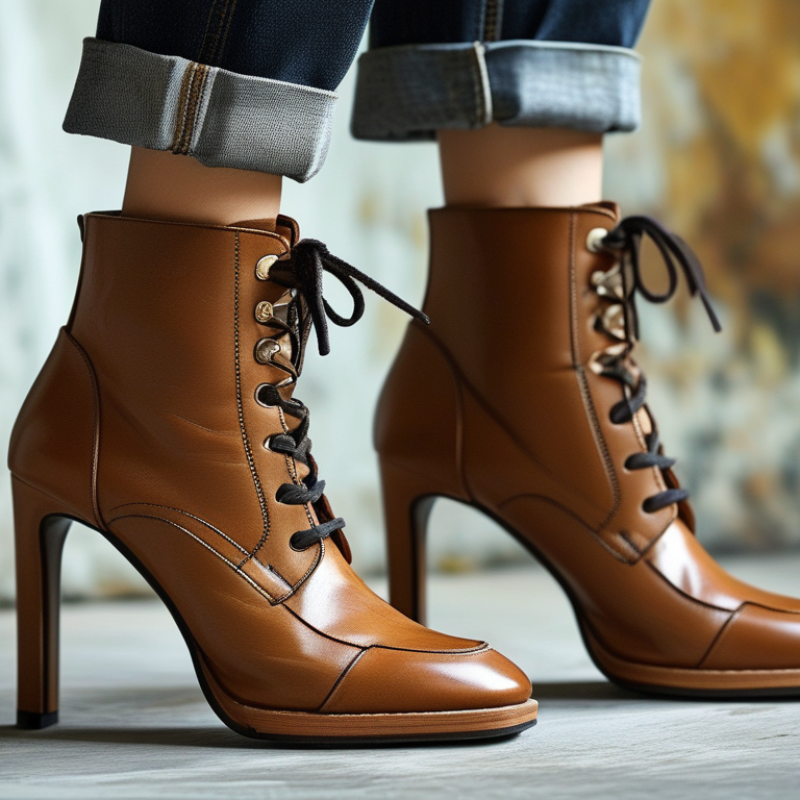
Understanding the Different Types of Heels for Boots
Choosing the right heel for your boots can dramatically affect both style and comfort. Understanding various types of heels is essential.
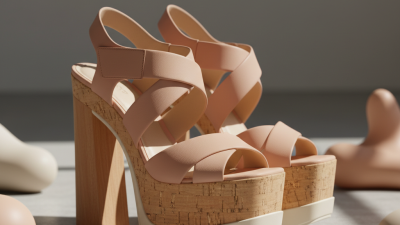
Block heels provide stability and can be worn all day without discomfort. They are perfect for casual outings and offer a balanced look.
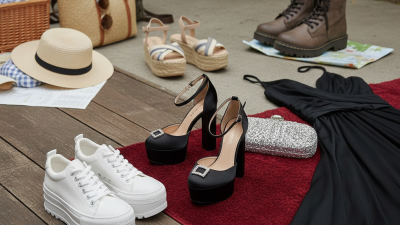
Stiletto heels, while stylish, require more practice to walk confidently. They often make legs appear longer but can be uncomfortable for prolonged use.
Wedge heels are another option worth considering. They distribute weight effectively, making them more comfortable. Ideal for both casual and semi-formal settings, wedges can elevate any outfit while providing ease.
Chunky heels combine height with support, making them versatile for everyday wear. Look for boots with soft insoles for added comfort, especially when standing or walking for extended periods.
When selecting heels, think about the occasion. Assess how long you will wear them. A more dramatic heel may be perfect for events but could lead to fatigue. Aim for a balance of style and comfort; it’s crucial. Try on different styles to find your ideal fit. Don’t hesitate to choose a heel that you find both appealing and easy to walk in.
Factors to Consider When Choosing Heels for Comfort
When selecting heels for boots, comfort is key. Many studies reveal that nearly 60% of women experience foot pain from poorly designed footwear. The right heel height can enhance your style while ensuring your feet remain comfortable. A lower heel, around 1 to 2 inches, spreads weight evenly and reduces strain. Opting for wider heels can also provide stability, making walking easier.
Tips for choosing comfortable heels: Look for cushioned insoles and breathable materials. This improves overall comfort for long wear. Try on boots at the end of the day when your feet are slightly swollen to get a better fit. Remember, not all heels are created equal. Despite the allure of certain styles, they may not offer the support needed for prolonged use.
Incorporating arch support is crucial. Reports indicate that footwear lacking proper support leads to increased foot fatigue. If you often suffer from discomfort, consider using orthotic inserts. Ultimately, prioritizing your foot health will guide you toward styles that reflect both your personal flair and comfort needs.
Style Tips for Pairing Heels with Different Boot Styles
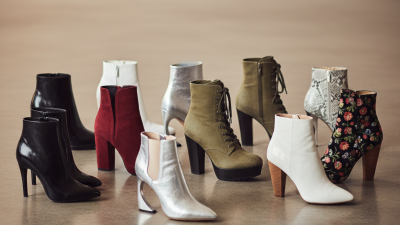
When pairing heels with different boot styles, consider the overall silhouette. Ankle boots often complement slim heels. This combination can elongate your legs. In contrast, platform boots pair well with chunky heels. The thickness creates a bold look.
Knee-high boots can suit various heel types. Opt for pointed heels for a sophisticated touch. This adds elegance and elevates your outfit. Think about comfort, too. A high heel might look stylish but may not always feel great.
Experiment with textures and colors. Suede boots with leather heels can create interest. However, matching too closely can appear flat. Don't shy away from mixing styles. A casual boot with a formal heel can be unique. Balance is key for a polished appearance.
Testing and Ensuring the Right Fit for Your Heels
When choosing heels for boots, fit is everything. A good fit ensures comfort and style. Start by measuring your foot. Use a measuring tape or ruler to get an accurate size. Check your measurements against sizing charts provided by retailers. Remember, sizes can vary greatly between styles.
Try on heels based on your measurements. Walk around to assess comfort. Pay attention to any pinching or rubbing. A well-fitted heel should feel snug without constricting. Choose materials that offer some stretch. Leather, for example, molds to your feet over time.
Consider the heel height. Higher heels might look great but may not be practical for long wear. A manageable height combines style and comfort. Don't forget to test the soles; they should provide enough grip. Even a stylish heel can be dangerous on slippery surfaces. Listen to your body. If something feels off, it’s worth re-evaluating your choice.
Maintenance Tips for Keeping Boot Heels in Top Shape
When it comes to maintaining boot heels, proper care is essential for both style and comfort. A study by the American Podiatric Medical Association reveals that nearly 80% of women experience foot pain from improper footwear. Keeping boot heels in good shape can significantly elevate your comfort level.
Regularly clean your boot heels to remove dirt and debris. Use a soft cloth and mild soap. Avoid soaking them, as moisture can damage the material. Inspect the heels frequently for wear and tear. If you notice scuffs, try a high-quality leather conditioner. It restores the shine and extends the life of your heels.
For added longevity, store your boots in a cool, dry place. Use boot trees to maintain their shape. This prevents deformation of the heel and upper. Rotating your footwear can also help distribute wear evenly. Remember, neglecting proper care may lead to costly replacements. Prioritizing the maintenance of your boot heels is a small effort that pays off in the long run.