
Choosing Platform Heels for global markets requires more than following seasonal colors or popular silhouettes. Buyers must examine comfort, construction, sizing accuracy, and supplier reliability before placing an order. A striking pair may look impressive in product photos, yet feel unstable after several hours of wear.
Experienced buyers often begin with the platform height, heel balance, outsole grip, and upper materials. A 10-centimeter platform can attract attention, but poor weight distribution may cause discomfort. Soft lining, secure straps, and flexible insoles can improve the walking experience. Size conversion also deserves careful testing, because US, UK, EU, and Asian measurements are not always consistent. Request physical samples when possible.
Reliable sourcing depends on more than a low quotation. Buyers should review factory experience, material specifications, quality-control records, packaging standards, and communication practices. Product claims should be supported by clear evidence, not attractive promises. Compliance requirements may differ across destination markets, so footwear labeling, chemical restrictions, and consumer safety expectations require professional verification.
Details matter.
Some decisions remain uncertain. A design that sells well in one region may perform poorly elsewhere. Even experienced teams can misjudge color preferences, width requirements, or acceptable heel weight. Small pilot orders and customer feedback can reduce that risk. This guide explores practical ways to compare Platform Heels, assess suppliers, and make purchasing decisions with greater confidence. The goal is not simply to choose fashionable footwear, but to select products that are wearable, market-appropriate, and responsibly sourced.
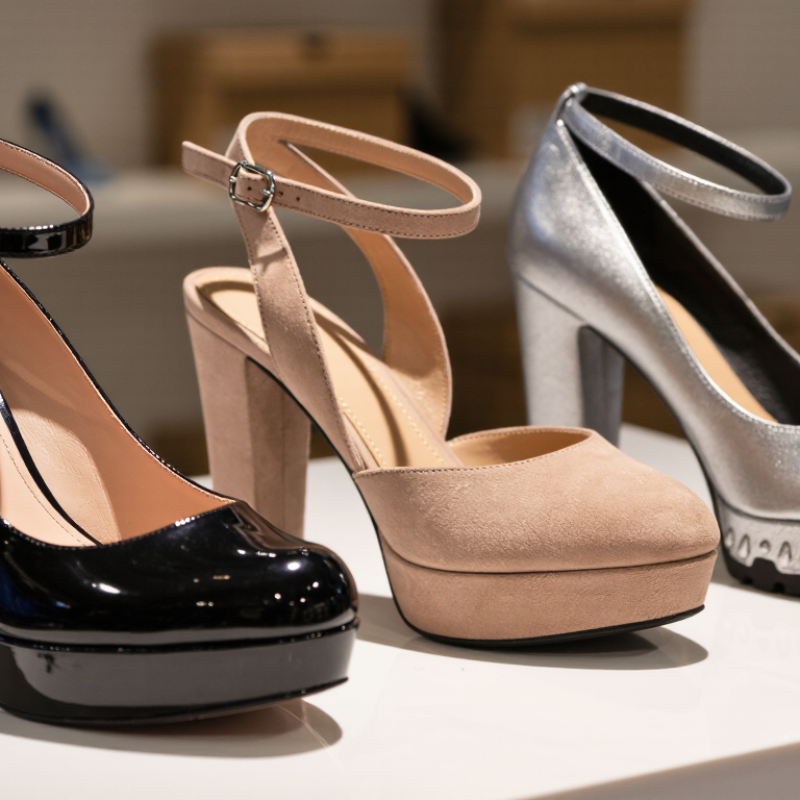
Platform heels are not one single product type. Flatforms keep the sole nearly level, while wedges support the foot continuously. Hidden platforms raise the forefoot inside pumps, reducing the visible heel height. Chunky platform sandals add stronger visual impact but often increase total weight.
Key features include heel-to-toe drop, outsole grip, platform thickness, upper flexibility, and ankle stability.
A 10-centimeter heel may feel easier with a three-centimeter platform, but balance still depends on construction.
Materials matter too. Lightweight EVA can reduce fatigue, while rubber outsoles improve traction on wet pavement.
Global buyers should compare measurements, not only photographs. The World Footwear Yearbook 2024 reports that Asia produced about 87.6% of global footwear in 2023. This highlights the importance of consistent factory specifications and regional fit testing.
Grand View Research estimated the global footwear market at approximately 457 billion dollars in 2023, with continued growth expected through 2030. That scale increases pressure for dependable quality control.
Ask suppliers for outsole hardness, pair weight, insole length, and drop measurements. Check several size samples. Small differences can change comfort dramatically.
A flaw remains: height charts do not predict every wearer’s balance. Walking tests, climate trials, and customer feedback are still necessary. Otherwise, an attractive platform may become an expensive return.

How to Choose Platform Heels for Global Buyers?
Identifying the Right Platform Heel Height and Shape
Platform heels should be judged by walking comfort, not appearance alone. A higher front platform can reduce the foot’s angle, even when the total heel looks dramatic. For everyday wear, a moderate platform with a balanced heel often feels more manageable. Many buyers prefer a heel height between 6 and 9 centimeters, but comfort varies by foot shape, experience, and purpose. Evening shoes may tolerate more height. Work shoes usually need better stability.
Shape matters just as much. A block heel distributes pressure across a wider base and suits long periods of standing. A tapered heel creates a refined profile but demands stronger balance. The platform should sit evenly under the forefoot, without a sharp edge pressing into the toes. Check the toe box carefully. Narrow shapes can look elegant, yet they may cause discomfort after several hours. Small design differences matter.
Real wear testing is essential. Walk on hard floors, turn quickly, and stand for ten minutes. Measure heel height from the ground to the heel tip, then record the platform separately. My early samples looked stable but slipped slightly on smooth tiles. That mistake changed the outsole texture and heel width. It also showed why photographs cannot replace fitting tests. Global buyers should compare measurements, weight, arch support, and return feedback before choosing one shape. A beautiful silhouette is not always a practical one.
Identifying the Right Platform Heel Height and Shape
The chart compares representative platform-heel constructions using heel height, forefoot platform height, and the resulting heel-to-platform drop. A smaller drop can help create a more level foot position, while a wider or rocker-shaped platform may improve perceived stability and walking comfort. These dimensions are practical design references rather than consumer survey results and should be validated through fitting tests for each target market.
For global buyers, platform heels should begin with materials, not decoration.
Leather, microfiber, mesh, and recycled synthetics behave differently under heat and moisture. A breathable upper can reduce friction, but soft fabric may stretch after repeated wear. This scale makes material consistency essential across factories and markets. Ask suppliers for abrasion, flex, colorfastness, and moisture tests. One attractive sample proves little.
Sizing needs more than US, UK, or EU labels.
ISO 19407:2023 provides conversion guidance, yet foot length and width still vary widely. Measure both feet in millimeters, wearing the intended socks. Record heel width, instep height, and toe-box clearance. Platform heels can hide poor balance. The American Podiatric Medical Association reported that 77% of surveyed women had experienced footwear-related foot pain. That older survey remains useful, although it does not represent every market. Fit data should be checked again.
Tips:
Request a graded size set, not one sample. Test walking for 20 minutes on tile and carpet. Check heel slippage, forefoot pressure, and ankle stability. Use a firm platform with a flexible forefoot zone. Add cushioned lining and a stable heel counter. Avoid promising “all-day comfort”; comfort is personal, and my own fitting assumptions have been wrong. Buyers should compare returns, complaints, and wear-test notes by region. That feedback often reveals issues a laboratory report misses.
Safety should guide every platform heel purchase, not only appearance. A raised sole changes balance, pressure, and walking stability. Buyers should examine heel attachment, outsole grip, platform flexibility, and edge finishing. A heel that feels secure on a showroom floor may slip on wet pavement. Test samples on dry and slightly damp surfaces.
During factory inspections, check whether the heel survives repeated flexing and controlled pull tests. Inspectors should also examine loose threads, exposed staples, sharp edges, and uneven adhesive lines. Small details matter. Ask for batch inspection records, material declarations, and test reports from competent laboratories. These documents should match the actual production materials, not an earlier sample.
Manufacturing quality depends on consistent processes. Review incoming material checks, in-line inspections, final measurements, and traceability codes. Confirm that factories follow a documented quality system, such as an independently assessed ISO 9001 program, where appropriate. Chemical requirements differ by destination, so buyers must verify applicable restrictions before ordering. Packaging should protect the platform edges and prevent deformation during transport.
Do not trust a polished sample alone. I have seen attractive pairs fail after simple repeated-wear testing. A perfect checklist does not exist. Foot shape, climate, and walking surfaces can expose weaknesses late. Independent pre-shipment inspections reduce that risk, but they cannot replace practical wear trials. Collect feedback from several testers, including users with different walking habits. Their comments may reveal problems that measurements miss.
Choosing platform heels starts with supplier evidence, not attractive product photos. Request recent factory images, material details, size charts, and sample pairs. A reliable supplier should explain the upper material, platform height, outsole grip, and heel attachment method. Check stitching around the straps and test the shoe on a hard floor. Small defects often appear there. Ask about minimum order quantities, sample fees, production time, and replacement policies. A low unit price may hide weak packaging or inconsistent sizing.
Compare the complete landed cost. Include the shoe price, packaging, export handling, freight, insurance, duties, and local delivery. Air shipping suits small urgent orders, but it costs more per pair. Sea shipping reduces freight costs for larger volumes, although delivery takes longer. Rail or combined transport may fit certain routes. Confirm whether the quotation includes door-to-door service or only port delivery. The wording matters.
Use written specifications for every quote. They reduce misunderstandings between buyers and suppliers. Ask for carton dimensions and gross weight before selecting a shipping method. I once underestimated packaging volume, and the freight difference weakened the original bargain. That mistake was avoidable. Build a small price comparison sheet with currency, delivery terms, lead time, and defect allowances. Also request tracking information and a clear contact process. Conditions can change, so review the final invoice before payment.