How to Choose the Best Heels and Boots for Every Occasion?
Choosing the right "Heels and Boots" can significantly affect your style and comfort. According to a recent report from the Footwear Distributors and Retailers of America (FDRA), the retail value of the U.S. footwear market exceeded $100 billion in 2022. This growing industry highlights the importance of selecting the perfect pair that suits various occasions.
Industry expert Sophia Chen emphasizes the need for versatility: "The right heels and boots can transform an outfit and define your confidence." Whether you're dressing for a casual outing or a formal event, understanding how to match styles with your wardrobe is crucial. There’s an intricate balance between aesthetics and comfort, often overlooked by many buyers.
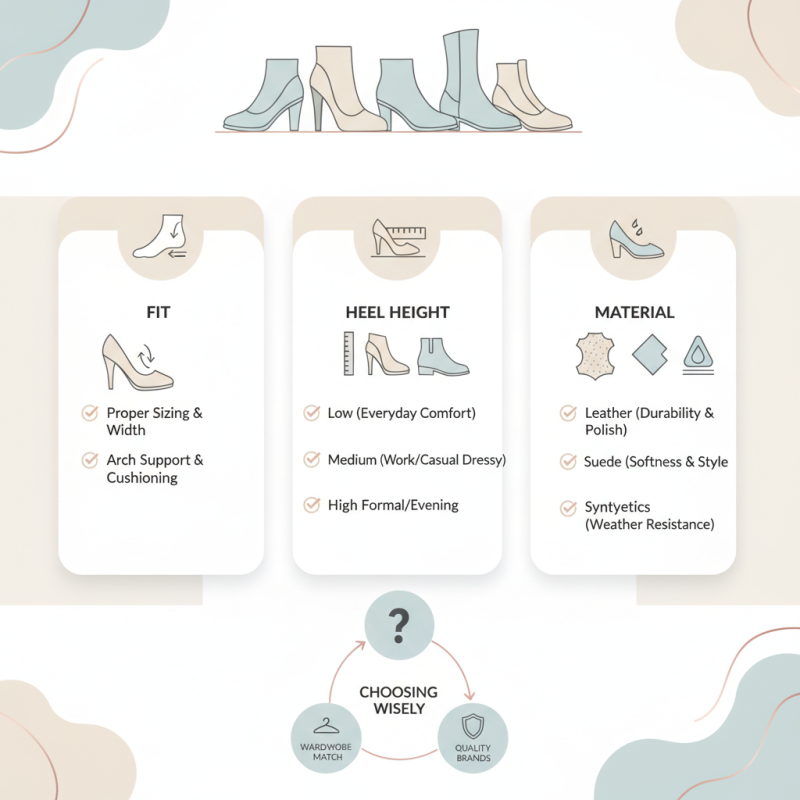
When searching for the best "Heels and Boots," reflect on the fit, heel height, and material. These factors play a vital role in ensuring your footwear aligns with your lifestyle demands. As you navigate choices, remember that even top brands can fall short without careful consideration. The key is not just to choose, but to choose wisely.
Understanding the Different Types of Heels and Boots Available
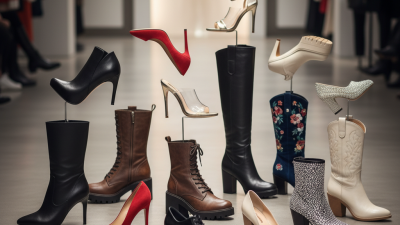
When it comes to heels and boots, knowing your options is key. There are several types available.
Stiletto heels are classic and elegant. They can elevate any outfit. However, they may not be the best for long wear.
Consider your comfort level.
Block heels offer more support and stability. They're ideal for both day and night.
Boots come in various styles too. Ankle boots are versatile and pair well with dresses or jeans.
Knee-high boots can make a bold statement. They often work well for both formal and casual occasions. Both types can vary in heel height, ranging from flat to high.
Don't overlook the fabric and color.
Leather and suede are common options. Each material has its own care requirements.
Think about the climate and season when making a choice.
Reflect on your own lifestyle. Are you often on your feet? Choose footwear that strikes a balance between style and comfort.
It's important to acknowledge that not every shoe will fit every occasion perfectly. Trying them on is essential.
Identifying the Right Heel Height for Comfort and Style
Selecting the right heel height is vital for both comfort and style. A study from the American Podiatric Medical Association shows that nearly 75% of American women wear shoes that can harm their feet. High heels, particularly those over three inches, can lead to foot pain and long-term problems. Therefore, understanding heel heights is crucial.
Tip: Consider your daily activities. If you’re on your feet a lot, stick to a lower heel. Research indicates that heels between one to two inches provide a good balance of elegance and comfort. Choose a block heel for stability when attending events where you will be walking.
Not every style suits every occasion. A higher heel might be perfect for a night out but impractical for a day at the office. Reports show that medium-stacked heels allow for flexibility without sacrificing style. Remember, not all heels are created equal. Some may look stunning but don’t offer the support you need.
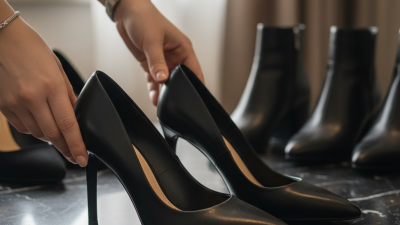
Tip: Test heels before purchasing. Walk in them, and ensure you can maintain balance. Your feet deserve care, and thoughtful choices can make the difference between a painful night and an enjoyable experience.
How to Choose the Best Heels and Boots for Every Occasion?
| Occasion |
Recommended Heel Height |
Style |
Comfort Rating (1-5) |
| Casual Outing |
1-2 inches |
Flats, Low Heels |
5 |
| Office Wear |
2-3 inches |
Pumps, Ankle Boots |
4 |
| Evening Events |
3-4 inches |
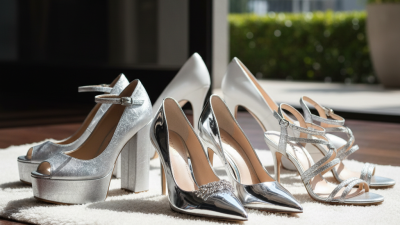
Stilettos, High Heels |
3 |
| Formal Events |
3-5 inches |
Heeled Sandals, Dress Boots |
3 |
| Outdoor Activities |
1-2 inches |
Wedge Boots, Comfy Sneakers |
5 |
Choosing Materials and Styles Based on the Occasion
Choosing the right heels and boots for any occasion is essential.
Materials and styles significantly impact comfort and appearance. According to the American Academy of Podiatric Sports Medicine, around
77% of women experience foot pain related to shoe choice. Selecting shoes that complement the occasion
can reduce discomfort.
For formal events, opt for heels made from genuine leather. This material offers durability and
breathability. Suede can add elegance, but it requires extra care. A study from the Footwear Design & Development Institute found that
55% of wearers preferred leather for its long-term comfort. Conversely, for casual outings, ankle boots in
canvas or treated leather provide a balance between style and ease of wear.
Consider your personal needs too. Not everyone can wear stilettos comfortably. Many women prefer lower heels
or stylish flats for daily wear. A survey showed that
62% of working women prioritize comfort over style. Reflecting on your lifestyle can lead to better choices.
It’s important to try various styles and materials. Your feet will thank you in the long run.
Matching Footwear with Outfits for a Polished Look
Choosing the right footwear can elevate any outfit. A polished look depends heavily on matching shoes with attire. Recent studies indicate that 72% of people notice shoes first when assessing an outfit. This suggests the importance of making informed choices.
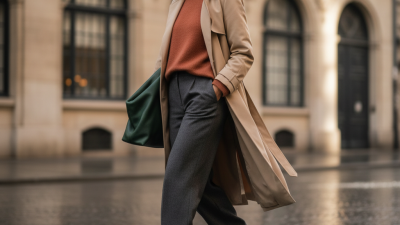
When selecting heels or boots, consider the event's formality. For casual outings, ankle boots in neutral tones work well. They pair effortlessly with jeans or skirts. In contrast, for formal occasions, select heels that complement your dress. Aim for colors that harmonize with your ensemble.
**Tips:** Always try shoes on before purchasing. Sizes can vary significantly across styles. Pay attention to comfort, as ill-fitting shoes can lead to discomfort. Remember, an elegant appearance diminishes if you're fidgeting due to pain. Choose wisely to reflect your style. Explore different heel heights to find what suits you best; not everyone is comfortable with towering stilettos.
How to Choose the Best Heels and Boots for Every Occasion
Considering Functionality and Practicality in Footwear Selection
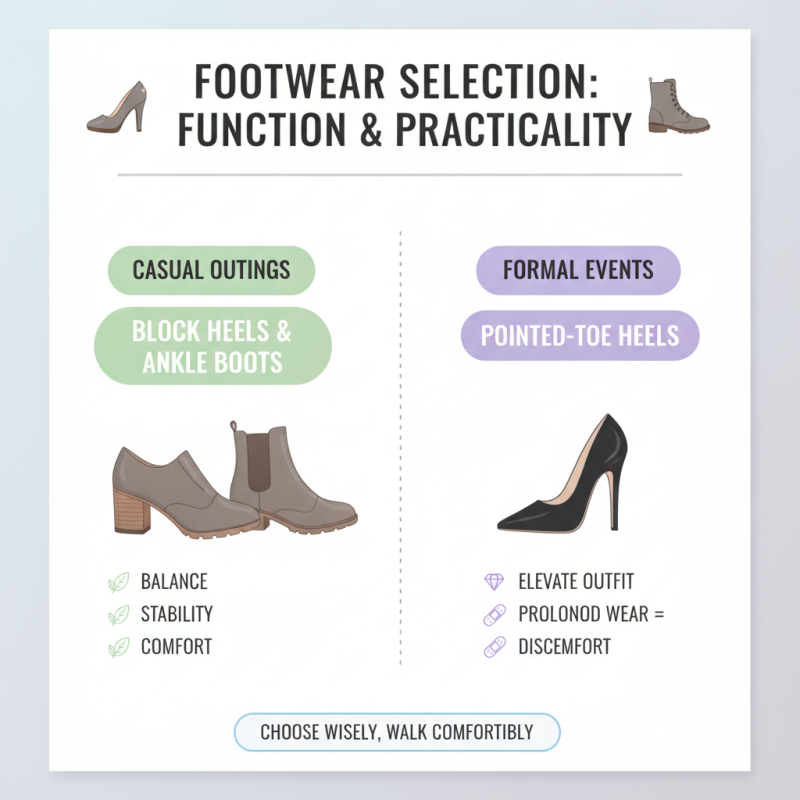
When choosing heels and boots, functionality and practicality are crucial. The right footwear should enhance comfort while matching the occasion. For casual outings, opt for block heels or ankle boots. They provide balance and stability. For formal events, pointed-toe heels can elevate your outfit but may cause discomfort after prolonged wear.
Tips: Look for shoes with cushioning. This is essential for all-day wear. Flexible materials allow for better movement and comfort for your feet. Always consider the weather and environment. For example, rainy days require waterproof materials, while summer calls for breathable fabrics.
Your choices reflect your style and practicality. Sometimes, what looks good may not be comfortable. Carefully assess how long you’ll be wearing them. It’s common to overlook sizing and fit. A snug shoe can lead to blisters. Stay mindful of your needs and preferences.