How to Choose Womens Heels in 2026?
Choosing Womens Heels in 2026 is less about chasing every runway trend. It is about finding a pair that supports your movement, suits your wardrobe, and feels realistic for your day.
A polished heel may look perfect under store lighting. Yet the same shoe can pinch after twenty minutes on pavement. During fittings, walk across a hard floor, bend your toes, and check whether your heel lifts. Measure both feet, because small differences are common. A stable block heel, padded insole, and breathable upper can improve comfort without making the shoe look practical or plain.
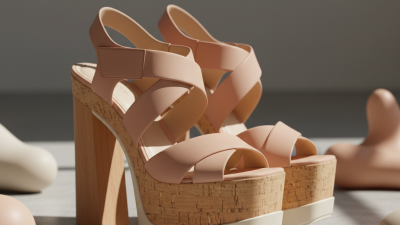
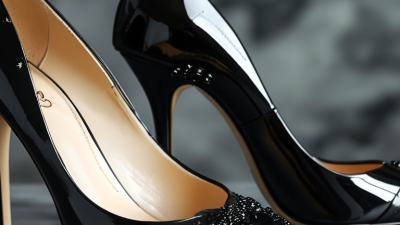
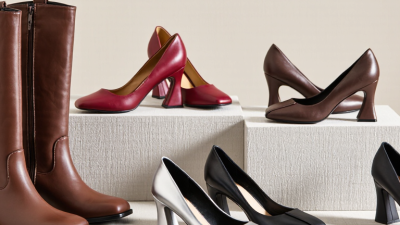
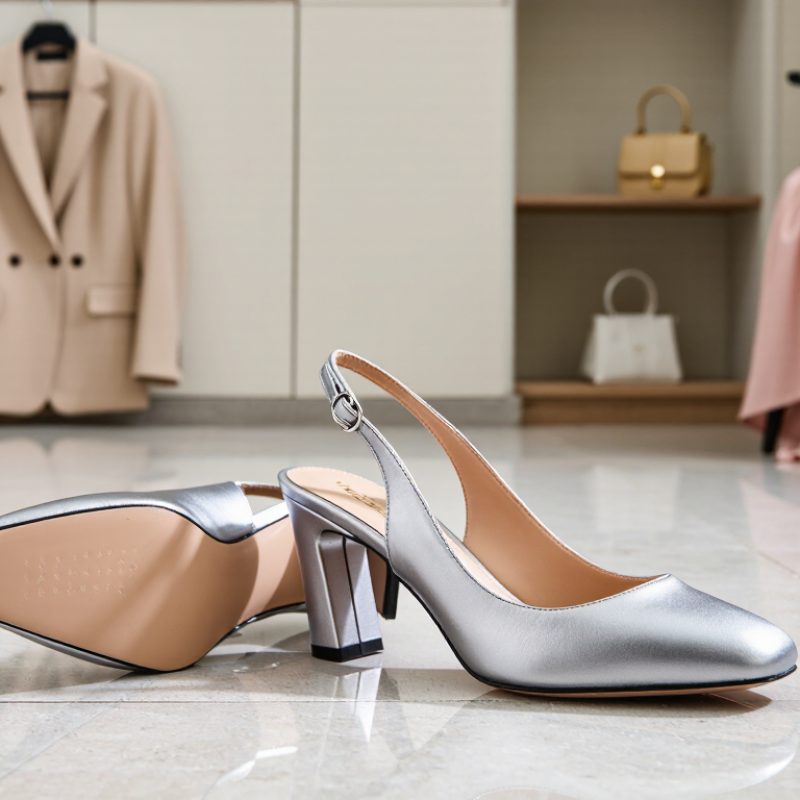
Style still matters. Metallic finishes, sculptural heels, soft square toes, and refined slingbacks are expected to appear strongly in 2026 collections. However, fashion forecasts are not personal advice. Your work setting, walking distance, climate, and clothing choices should guide the final decision. A six-centimeter heel may suit dinner, but it can become frustrating during a long commute.
Look for clear sizing information and return policies from established retailers. Check material descriptions carefully, especially when durability or sensitive skin matters. A podiatry-informed fitting approach is useful, although no single shoe works for every foot. Comfort is personal.
That is the imperfect part.
Sometimes the most beautiful pair stays unworn. Choose the pair you will actually reach for, not merely photograph. The right Womens Heels should add confidence while respecting your feet, schedule, and changing needs.
Define Fit First: APMA Reports 71% of Women Experience Shoe-Related Pain
Choosing women’s heels in 2026 should begin with fit, not color, trend, or heel height. The American Podiatric Medical Association (APMA) has reported that 71% of women experience shoe-related pain. That figure deserves attention. Pain is not a normal price for looking polished. A stylish heel can still cause pressure, rubbing, instability, or numb toes.
Measure both feet late in the day, when swelling is more likely. Stand during the measurement. One foot may be larger. Choose the larger size, then adjust the smaller foot with a thin insert. Your toes should move freely inside the toe box. The heel should stay in place without gripping. Walk on a hard floor for several minutes. Do not trust a soft carpet. Check your feet after removing the shoes. Red marks can become painful blisters.
For regular wear, a lower, stable heel usually reduces forefoot pressure. A wider base may improve balance. Still, every foot is different, and online sizing charts are imperfect. Careful measuring can still miss a hidden pressure point. That is worth remembering. A podiatrist can assess persistent pain, bunions, or changed walking patterns. If discomfort begins within minutes, reconsider the fit instead of forcing your feet to adapt. Comfort is not a luxury. It is useful evidence.
How to Choose Women's Heels in 2026? Define Fit First
APMA reports that 71% of women experience shoe-related pain.
Shoe-related pain is common among women. When choosing heels, prioritize a secure fit, adequate toe room, stable support, and comfortable wear over appearance alone.
The 29% figure represents the remaining share calculated from the reported 71%.
Source: American Podiatric Medical Association (APMA).
Measure Width and Toe Room Using ISO 19407 Footwear Sizing Guidance
How to Choose Womens Heels in 2026?
A precise fit begins with measurement, not the printed size. ISO 19407:2015 helps convert footwear sizes between international systems. It does not set one universal width or toe-room rule. Measure both feet in the evening, when swelling is more likely. Stand on paper while wearing your intended hosiery. Mark the heel and the longest toe. Measure forefoot width at the widest points, then compare both feet.
Do not force a narrow foot into a slim-looking heel. The American Podiatric Medical Association reported that 77% of women had experienced foot pain in its consumer survey. Width matters because pressure often appears before visible redness. Check whether the upper touches the little-toe joint. It should not compress the forefoot. Your widest foot decides the fit. Small detail, large consequence.
For toe room, leave roughly 10–15 millimetres beyond the longest toe in a closed heel. This practical fitting range reflects podiatric guidance, not a mandatory ISO measurement. Your longest toe may be the second one. A ruler cannot predict every foot. Walk for several minutes on a firm floor. Your heel should remain stable, while your toes stay relaxed. I still recheck width after walking, because feet can spread under load. Convert the measured length through ISO 19407 only after confirming the actual shape and width. A size label is a starting point, never proof of comfort.
Assess Stability: Choose Heels with Slip Resistance Tested Under ASTM Standards
How to Choose Womens Heels in 2026?
A beautiful heel is not stable if its outsole slides on a wet floor. When shopping, look for slip-resistance testing performed under relevant ASTM standards. A credible test report should identify the method, surface, footwear angle, and wet or dry conditions. ASTM testing can provide useful evidence, but it does not replace careful fitting or everyday judgment. Ask whether the results apply to the actual outsole material and heel design.
Check the sole closely. A fine rubber pattern may grip better than a smooth, decorative surface. Press the heel gently against the floor. It should feel firm, not hollow or loose.
Walk across tile, wood, and a slightly damp surface, if the store permits it. Pay attention to sudden sliding, twisting, or a heel that catches late. Those details matter.
Heel height is only part of stability. A wider heel base, secure ankle support, and balanced toe space can reduce wobbling. However, no feature guarantees safe movement on every surface.
I once underestimated a sleek sole because it felt secure on dry flooring. It became less reassuring near a polished entrance. That mistake changed my fitting routine.
Now I test movement, inspect the test information, and question vague claims. Choose documented evidence over attractive wording, especially when ASTM details are missing. Short checks reveal a lot.