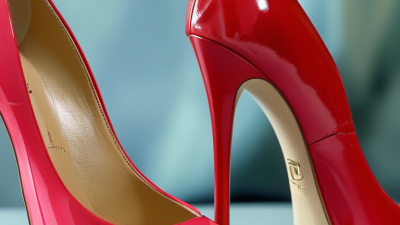
10 Heels and Boots Buying Tips for Global Buyers
Buying Heels And Boots across international markets requires more than attractive photographs and competitive prices. Global buyers must examine fit, construction, materials, supplier reliability, and regional demand before placing an order. A pointed heel may look elegant online, yet its narrow toe can create returns in markets with wider fitting preferences. A winter boot may also fail when its outsole loses grip on wet pavement. Small details matter.
Christian Louboutin, a renowned footwear designer, once said, “A shoe has so much more to offer than just to walk.” That idea shapes this practical guide to 10 Heels And Boots buying tips. It considers heel stability, leather or synthetic quality, stitching, lining, zippers, outsole performance, size conversion, packaging, minimum order quantities, and production lead times. Buyers should request samples, measure key dimensions, and test shoes under realistic conditions. Supplier audits and clear product specifications can reduce unpleasant surprises. Ethical sourcing and transparent documentation also support dependable, responsible purchasing.
Not every decision will be perfect. A sample can perform well while bulk production varies slightly. Costs may shift with freight, currency, or seasonal demand. That uncertainty deserves attention, not denial. Strong buyers leave room for inspection, negotiation, and correction. They compare several suppliers instead of trusting one polished catalog. The following tips provide a grounded starting point for purchasing footwear that looks refined, fits comfortably, and performs consistently in its target market.
Understanding Heel and Boot Types for Different Global Markets
10 Heels and Boots Buying Tips for Global Buyers
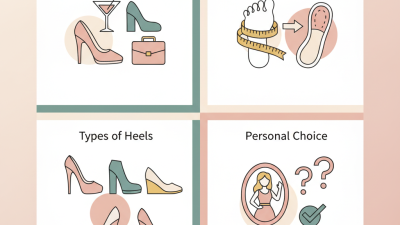
Heel and boot preferences change with climate, dress codes, streets, and daily routines. In product inspections, I have found that a slim stiletto suits formal urban events but performs poorly on uneven pavement. Block heels offer better balance and broader customer appeal. Kitten heels provide modest lift for office and travel use. Fit comes first. Toe shape also matters. Narrow pointed toes can create pressure, while round or square toes usually allow more movement.
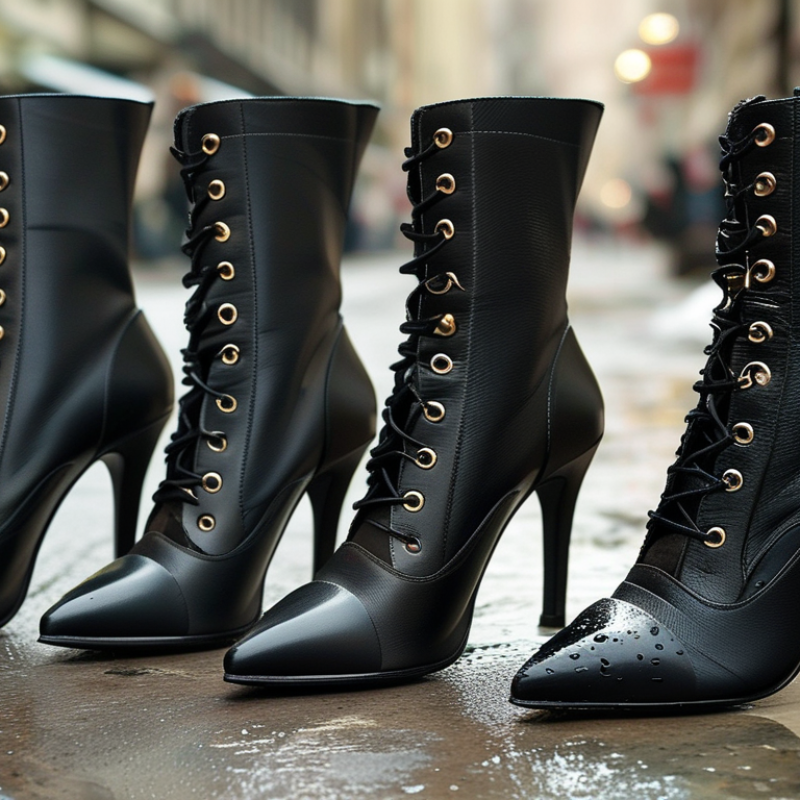
Boot types need equal attention. Ankle boots work well across mild climates and transitional seasons. Knee-high boots provide warmth, but calf measurements vary widely between markets. Chelsea-style boots are easy to wear, while lace-up and hiking-inspired designs may attract customers in colder regions. Waterproof construction helps in wet climates, yet it can feel too warm in tropical areas. Breathable linings and flexible soles may be more valuable there. Small details sell.
Global buyers should compare local size data, foot width, and seasonal demand before placing large orders. European, American, and Asian sizing systems do not always match perfectly. A removable insole can improve fit and reduce returns. Check heel attachment, sole grip, stitching, and zipper movement by hand. Materials should be clearly disclosed, especially for customers with sensitivities. Local labeling requirements also need review. I still see buyers overvalue appearance and underestimate walking comfort. That mistake becomes expensive. Test samples on real floors, not only studio surfaces. Feedback from several markets may reveal uncomfortable truths.
Evaluating Materials, Construction, Comfort, and Durability
10 Heels and Boots Buying Tips for Global Buyers
When I assess heels or boots, I begin with the material. Full-grain leather often develops character, but it may show scratches. Suede feels soft, yet it needs careful protection in wet climates. Textile uppers can breathe well, although their durability varies. Check the lining for smoothness. Rough seams can cause blisters within hours.
Examine the construction closely. A securely attached sole usually outlasts a thin, poorly bonded one. Look for even stitching around the upper and heel. Test the heel by applying gentle sideways pressure. It should feel stable, not loose. A padded insole helps, but padding alone cannot fix poor arch support. Walk on a hard floor before buying. Comfort should remain after several minutes.
Fit changes across countries and manufacturers. Measure both feet late in the day, when swelling is more likely. Leave room for your toes, especially in pointed styles. Boots should hold the heel without squeezing the ankle. Consider climate, walking distance, and local surfaces. I once chose a beautiful pair with excellent leather, but the narrow toe made daily wear unrealistic. That mistake still influences my evaluations. Inspect zippers, eyelets, and tread patterns. These small details often reveal manufacturing quality. Care instructions also matter, because even strong materials fail when maintained poorly.
Checking Sizes, Fit Standards, and Regional Customer Preferences
Global heel and boot buyers need more than a familiar size chart. ISO 19407:2023 provides footwear size-conversion guidance, yet conversions can still vary by factory. Measure both feet at the end of the day, when swelling is highest. Record foot length, ball width, and instep height in millimetres. A narrow pointed heel may need extra width, even when the length matches. Leave about 10–15 millimetres of toe space for boots worn with thicker socks. My fitting mistake was trusting length alone.
Regional preferences also affect buying decisions. The World Footwear Yearbook 2024 reported that Asia produced about 88% of global footwear and represented roughly 55% of consumption in 2023. This scale makes regional grading and climate testing essential. Buyers in humid markets may prefer breathable linings and lighter soles. Colder regions often need insulation, deeper tread, and roomier socks. However, these are tendencies, not rules. Customer surveys should replace assumptions.
Tip: Request a physical size set before placing a large order. Test standing, walking, stair movement, and ankle pressure. Photograph the fit from above and behind. Compare measurements against the factory’s actual last, not only its chart. The NRF and Appriss Retail reported $743 billion in US retail returns during 2023, equal to 14.5% of sales. Better fit checks can reduce avoidable returns, although they cannot remove every customer preference. Ask buyers to review width, heel slip, toe pressure, and sock thickness separately. A simple fit form works well. Keep improving it.
10 Heels and Boots Buying Tips for Global Buyers
Approximate women's footwear size crosswalk by foot length
Use foot length as the primary reference when comparing regional size systems. EU, US, and UK conversions are approximate because manufacturers may use different lasts, toe shapes, heel constructions, and fit standards. Buyers should confirm the seller's measurement chart, check width requirements, and allow extra room for boots worn with thicker socks.
Comparing Suppliers, Prices, Minimum Orders, and Customization Options
Global buyers should compare heels and boots suppliers beyond the factory quote. The 2024 World Footwear Yearbook reports 23.9 billion pairs were produced worldwide in 2023, with Asia supplying about 88%. That scale creates choice, but also uneven quality. Request factory audits, recent production photos, material certificates, and heel-strength test records. A low price means little if stitching, plating, or carton protection fails inspection.
Compare landed costs, not unit prices. Add sampling, molds, packaging, freight, duties, payment fees, and inspection charges. Ask each supplier for prices at 100, 300, and 1,000 pairs. Minimum orders often change by color, size range, and sole material. A supplier may accept 300 pairs overall, yet require 100 pairs per color. Confirm this detail in writing. Small test orders cost more per pair, but they expose sizing and comfort problems early. They are not wasted money.
Customization needs a clear boundary. Standard heel shapes and existing lasts usually reduce development time. New toe shapes, logos, soles, or hardware may require paid samples and tooling. Request a timeline with sample revisions, mold ownership, and replacement terms. The World Footwear Yearbook also shows strong production concentration in Asia, so regional sourcing can improve factory access, but distance may complicate communication. Digital samples save time. They cannot replace a physical fitting. A common mistake is approving appearance before checking flex, grip, and ankle stability. Reflect on that before placing a large order.
Reviewing Quality Control, Shipping Terms, and Import Requirements
When buying heels and boots internationally, quality control should begin before payment. Request written specifications for leather or textile grade, heel height, outsole material, color tolerance, and size measurements. Ask for pre-production samples, then compare finished pairs against the approved sample. Small differences can create expensive returns. Check stitching density, zipper movement, adhesive marks, loose threads, and heel stability. A walking test on a clean floor can reveal wobbling that photographs hide. Not perfect, but useful. Require inspection photos showing the date and order reference.
Tips:
Use a third-party inspection when the order value justifies it. Set clear defect limits for cosmetic, functional, and serious faults. Pack each pair with shape supports, moisture protection, and durable cartons. Confirm carton dimensions and gross weight before booking freight. Choose shipping terms carefully. Under FOB, the buyer usually manages the main carriage. Under DDP, responsibilities and import costs may shift, but local tax treatment needs verification. Never accept an unclear quotation.
Import preparation deserves equal attention. Confirm the correct HS classification, country-of-origin marking, labeling language, material declarations, and required footwear tests with the destination customs authority. Duties can vary by material and construction. So can clearance time. Ask for a commercial invoice, packing list, transport document, and requested conformity records. I once underestimated seasonal congestion; the goods arrived after the selling window. Build a buffer, and verify every document before dispatch. Check twice.