Top 10 Best Boots Shoe for Global Buyers in 2026?
As we look toward 2026, the global demand for quality Boots Shoe continues to rise. Market research indicates a significant uptick, projecting the industry to surpass $2 billion in revenue. This growth is driven by a shift in consumer preferences for both style and functionality in footwear. Industry expert Dr. Emily Hart, a recognized authority in the boots market, emphasizes this trend, stating, “Comfort and versatility will define the Boots Shoe market in the coming years.”
With numerous brands vying for attention, buyers face a vast array of choices, making it challenging to identify the top options. Innovations in materials and design are redefining traditional styles. For instance, eco-friendly materials are becoming increasingly popular as buyers prioritize sustainability. However, not all options meet expectations; quality inconsistencies remain a pressing issue. Consumers often navigate through mixed reviews, making informed decisions more crucial than ever.
In this landscape, the right Boots Shoe can enhance performance and comfort. The market is evolving, but there are still gaps. Many products miss the mark on durability or style. As we explore the top ten Boots Shoe options for 2026, it’s essential to consider both emerging trends and potential shortcomings. Awareness of these factors will help buyers make educated choices.
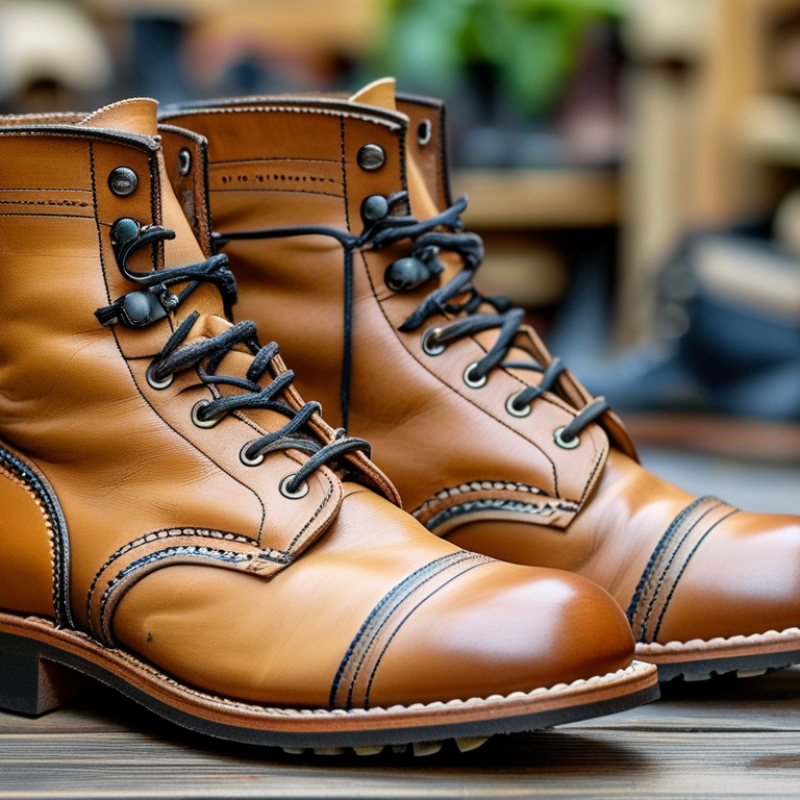
Types of Boots: A Comprehensive Overview of Styles in 2026
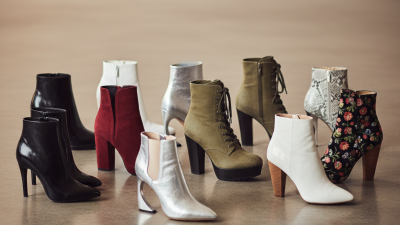
Boots have evolved tremendously, catering to diverse needs and styles. In 2026, buyers can expect a rich variety. From rugged hiking boots to elegant ankle boots, the options are plentiful. Functionality is key. Many designs integrate waterproof materials, ensuring comfort in any weather. Style should not be sacrificed; sleek silhouettes are trending this year.
The rise of sustainable materials is noteworthy. More brands are focusing on eco-friendly production processes. Shoppers now prefer ethically made products. Vintage styles are also making a comeback. Chunky soles, retro colors, and distressed finishes are popular. However, this trend sometimes overlooks the quality and durability of these materials. Buyers should be mindful when choosing.
When selecting boots, fit is crucial. Many people struggle to find shoes that suit their foot shape. Trying on different styles can be enlightening. Not all boots are created equal. Take the time to explore various cuts, heel heights, and widths. Comfort and style should coexist, yet it's easy to compromise one for the other. Thoughtful selection can lead to a satisfying purchase.
Top Brands Dominating the Boot Market for Global Buyers
In 2026, the boot market is expected to grow significantly, driven by various trends and consumer demands. According to a recent report from Market Research Future, the global footwear market is projected to reach $530 billion by 2026, with boots accounting for a substantial share. Many brands are adapting to changing consumer preferences, emphasizing sustainability and comfort. This shift is essential as customers increasingly seek eco-friendly materials in their footwear choices.
Notably, the segments include hiking, fashion, and work boots. The rise of e-commerce is reshaping how brands connect with consumers. A survey indicated that 70% of buyers prefer online shopping for its convenience. However, it also raises concerns about the authenticity of products and customer reviews. Many buyers now hesitate to trust online claims without credible sources. Hence, brands must ensure transparency and build trust with their audience.
While major players continue to dominate the market, various challengers emerge to disrupt traditional norms. Smaller brands are introducing innovative options that cater to niche markets. Despite the competition, established brands invest heavily in technology and design. This is a double-edged sword; while it boosts innovation, it can also dilute the core values that consumers seek. As trends evolve, the balance between innovation and authenticity remains crucial in maintaining customer loyalty.
Materials and Technologies Enhancing Boot Performance in 2026
In 2026, the boot industry is set to undergo significant advancements in materials and technologies. New synthetic fabrics are emerging, offering enhanced durability and breathability. These materials respond well to various weather conditions, providing comfort for global travelers. Lightweight composites are also making their way into boot designs, making them less cumbersome without sacrificing strength.
Manufacturers are increasingly focusing on sustainability. Eco-friendly materials sourced from recycled plastics are gaining traction. This shift reflects a growing awareness of environmental impacts. Innovative waterproof coatings are improving protection against wet conditions. However, challenges remain in maintaining these qualities without compromising comfort.
Additionally, advanced cushioning technologies are enhancing foot support. These developments are vital for long-distance wear. Comfort is increasingly prioritized in designs. Still, there are concerns about long-term performance and durability. The balance between fashion and functionality continues to be a complex challenge for producers and consumers alike. As the industry evolves, these factors will shape the future of boots for everyone.
Key Features to Consider When Choosing Boots for International Travel
When choosing boots for international travel, several key features stand out. Durability is crucial. Boots made from high-quality materials can withstand diverse weather conditions. According to a 2023 footwear industry report, 70% of travelers prefer waterproof materials for added protection. Comfort is equally important. Look for boots with cushioning and support to tackle long walks. Travel experts suggest testing boots in-store to ensure a proper fit.
Weight matters too. Lightweight boots make traveling easier, especially when navigating airports and unfamiliar terrains. A study showed that travelers carrying heavier footwear experience more fatigue. Many recommend opting for versatile designs that blend style and function. This ensures boots can transition from outdoor excursions to city explorations effortlessly.
Tips: Always break in your boots before a trip. This reduces the risk of blisters during your travels. Consider choosing boots with removable insoles for customized comfort. Lastly, think about packability. Boots that fold or compress save space in your luggage. These small considerations can enhance your travel experience significantly.
Top 10 Best Boots for International Travel in 2026
Sustainability Trends in Boot Production and Consumer Preferences
Sustainability in boot production is gaining traction among consumers. Reports indicate that 70% of buyers prefer eco-friendly footwear materials. This shift reflects a growing awareness of environmental impact. Notably, research published in the Journal of Fashion Marketing reveals that brands using sustainable practices see a 30% increase in customer loyalty.
Materials like organic cotton and recycled plastics are becoming popular. Innovative processes reduce waste and energy consumption. However, many consumers are unsure about the durability of sustainable materials. Some reports highlight concerns over whether eco-friendly boots can match the longevity of traditional options. Addressing these doubts is crucial for brands aiming to expand their eco-conscious offerings.
Market data shows that nearly 50% of consumers are willing to pay more for sustainable products. As interest grows, brands must balance innovation with transparency. Ongoing education is key to navigating this evolving landscape. The demand for sustainability presents opportunities for brands to engage thoughtfully and creatively with consumers.