Why Do Women Prefer Heels for Every Occasion?
Women have long embraced the allure of heels, but why do they prefer them for every occasion? Dr. Emily Stevens, a leading expert in the women's fashion industry, states, "Womens Heels are not just a fashion choice; they symbolize power and femininity." This statement encapsulates the ongoing fascination surrounding heel-wearing among women.
High heels offer a unique combination of elegance and confidence. They elevate not only the stature of women but also their presence in various social settings. However, the choice of wearing heels can lead to comfort issues. Many women experience discomfort, but still, they opt for heels, believing that the benefits outweigh the drawbacks.
The culture surrounding Womens Heels encourages a reflection on societal standards. While heels enhance physical appearance, they can also provoke debates on beauty norms. Women navigate this complex landscape, choosing style while grappling with the demands of comfort and practicality. The world of heels is rich with both empowerment and challenge.
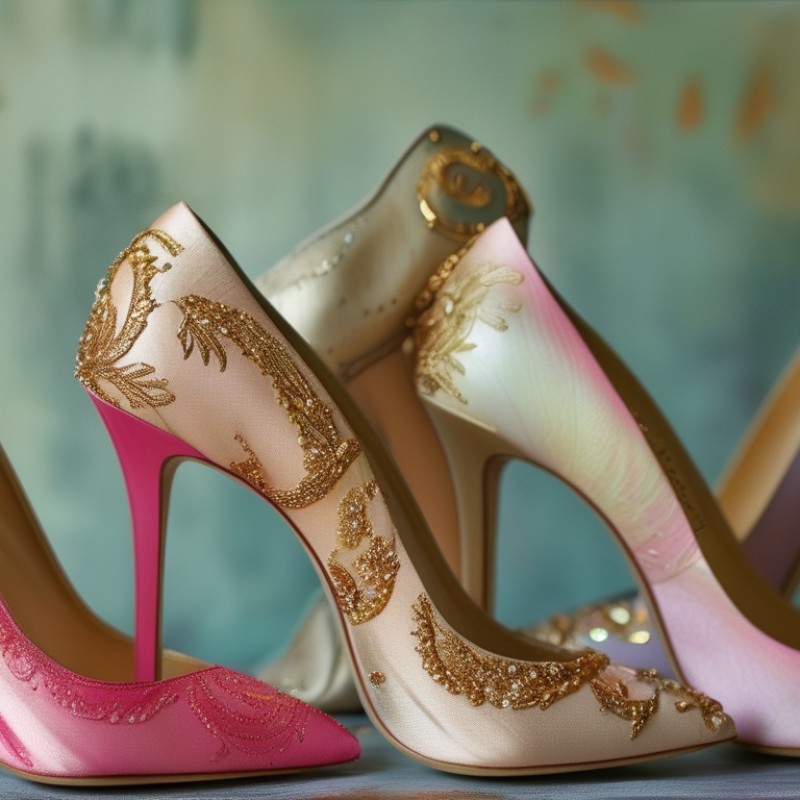
The Historical Context of Women Wearing Heels
The evolution of high heels dates back to the 10th century. They started as practical footwear for Persian cavalry. In the 16th century, they became a fashion symbol in Europe. Women wore heels to elevate their status. This shift reshaped societal perceptions of femininity.
Reports suggest that nearly 70% of women regularly wear heels. The allure lies in their association with elegance and power. Research shown by the Vogue Business indicates that a woman's height can influence perceptions significantly. Taller women are often viewed as more confident. Yet, this comes at a cost; discomfort and long-term health effects are concerns.
While heels enhance style, they can also limit mobility. Many women report foot pain after extended wear. Podiatrists emphasize the risks of wearing ill-fitting shoes. The desire to conform to societal norms can overshadow these drawbacks. Balancing aesthetics with health remains a challenge.
Why Do Women Prefer Heels for Every Occasion?
Cultural Influences on Women's Footwear Choices
Cultural influences significantly shape women's footwear choices, particularly their preference for heels. A report from the American Footwear Association indicates that 67% of women believe heels enhance their confidence. This notion is deeply rooted in cultural norms. In many societies, high heels symbolize femininity and status. Wearing heels can evoke admiration and respect, giving women a sense of empowerment in social settings.
However, this cultural expectation brings complexity. While many women embrace heels for style, comfort often becomes a casualty. A study by the American Podiatric Medical Association reveals that 71% of women experience foot pain from wearing heels regularly. Women often face the dilemma of choosing style over comfort. This tension speaks to a larger societal issue. Footwear is not just a personal choice; it reflects cultural values and norms that dictate how women should appear.
Despite their popularity, wearing heels prompts reflection on health and practicality. The desire to fit into certain cultural frameworks can lead to physical discomfort. Consider the balance between aesthetics and well-being when discussing footwear choices. This ongoing conversation challenges societal norms and emphasizes the need for comfortable options that do not compromise style.
The Psychological Appeal of Heels for Women
High heels have long been a staple in women’s wardrobes, often chosen for various occasions. According to a survey by the American Psychological Association, nearly 65% of women feel more confident wearing heels. This emotional boost ties deeply into societal perceptions of beauty and femininity. Wearing heels can create an illusion of longer legs and enhanced posture. Many women also report feeling more powerful and assertive in heels, as they elevate their physical presence.
Nonetheless, the psychological appeal of heels is often at odds with physical comfort. Research from the Journal of Fashion Marketing and Management shows that about 70% of women experience discomfort after extended wear. While the immediate boost in confidence can be compelling, the long-term effects on foot health raise concerns. Women frequently wrestle with this dilemma — does the allure of looking chic outweigh the risk of pain? It’s an ongoing conversation within fashion circles, as many reflect on beauty standards shaped by culture.
Despite these challenges, the emotional draw of high heels persists. Fashion choices reflect individual identity, and for many women, heels represent empowerment. As they grapple with comfort issues and societal expectations, the question remains: How can women balance style and health? This reflection is vital for a holistic view of beauty in contemporary society.
Practical Considerations: Comfort vs. Style in Heels
High heels remain a popular choice for women, and their appeal is often tied to fashion. Many view heels as a symbol of elegance and style. They can enhance posture and create a striking silhouette. This allure often overshadows concerns about comfort.
However, wearing heels is not without its challenges. Many women experience discomfort after extended wear. The pressure on the feet can cause pain and fatigue. Standing or walking in heels can lead to blisters and foot problems. These practical considerations often lead to a conflict between style and comfort.
Some women choose to wear heels despite the pain, valuing the confidence they bring. Others seek alternatives that blend comfort and aesthetics. The search for the perfect heel often prompts deeper questions about self-expression. Finding a balance between style and comfort remains a personal journey for many. Each choice reflects individual priorities and lifestyle.
Social Perceptions and the Impact of Heels on Women's Lives
High heels serve as a powerful symbol of femininity and style. Many women wear them daily, enhancing their confidence and height. Research indicates that about 73% of women feel more attractive in heels. This perception significantly impacts their social lives and career prospects. A study by the Journal of Experimental Social Psychology shows that women in heels are viewed as more competent and attractive by others.
However, the reliance on heels raises concerns. Prolonged use can lead to physical discomfort and even long-term health issues. According to the American Podiatric Medical Association, about 60% of women experience foot pain due to high heel wear. Women often face a dilemma: style versus comfort. This internal conflict can affect their decisions in social and professional settings. While heels may enhance appearance, the pain they cause cannot be overlooked.
Cultural factors play a role as well. Society often equates high heels with femininity and professionalism. Women may feel pressured to conform to these standards. Yet, some challenge this norm, opting for comfort over societal expectations. The conversation around heels prompts a broader reflection on women's choices and the impact of social perceptions on their lives.