
Leave Your Message
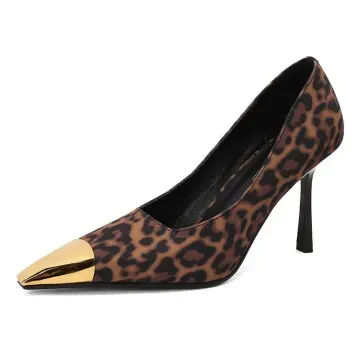
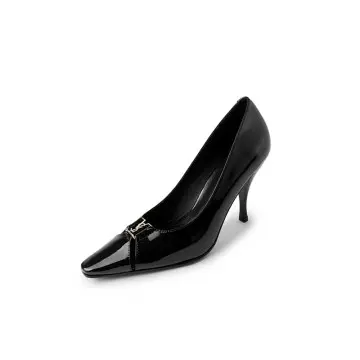
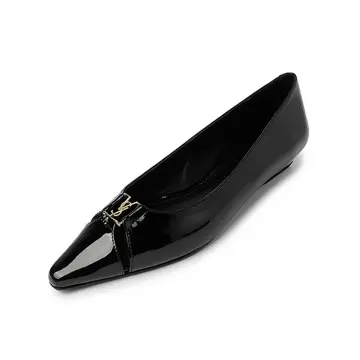
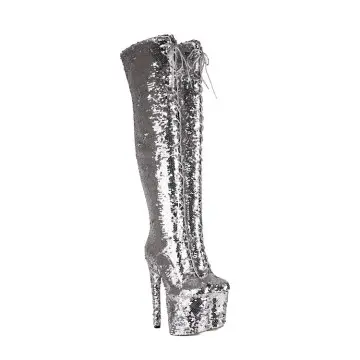
As global weather patterns continue to shift and urban populations expand into colder climates, the demand for footwear that combines functionality with fashion has never been more critical. Boots leather heels for snowy conditions represent a sophisticated convergence of traditional craftsmanship, modern materials science, and evolving consumer expectations. This specialized category of footwear addresses a fundamental challenge: how to maintain elegance, professional appearance, and personal style while navigating treacherous winter conditions.
The contemporary market for winter leather heeled boots has experienced remarkable growth over the past decade, driven by several interconnected factors. Climate change has led to more unpredictable weather patterns, with sudden snowfalls occurring in regions previously unaccustomed to such conditions. Simultaneously, the rise of remote work has created new demand patterns, as professionals seek versatile footwear that transitions seamlessly from home offices to outdoor environments and occasional in-person meetings.
The global winter footwear market, valued at approximately $28 billion in 2023, is projected to reach $38 billion by 2030, with leather heeled boots for snowy conditions representing one of the fastest-growing segments. This growth is particularly pronounced in emerging markets across Eastern Europe, Northern Asia, and high-altitude regions of South America, where increasing urbanization and rising disposable incomes are driving demand for premium winter footwear solutions.
Manufacturing technology has evolved dramatically to meet these demands. Advanced tanning processes now produce leather that maintains flexibility in sub-zero temperatures while resisting salt stains and water damage. Composite heel construction techniques incorporate materials like carbon fiber and reinforced polymers, creating structures that provide stability on ice while maintaining the aesthetic appeal of traditional leather heels. These innovations represent significant investments in research and development, with leading manufacturers allocating 8-12% of revenues to materials science and product engineering.
The industrial landscape for producing boots leather heels for snowy conditions has become increasingly sophisticated. Modern production facilities integrate automated cutting systems with traditional handcrafting techniques, ensuring consistency while preserving the artisanal quality that discerning consumers demand. Quality control protocols have evolved to include cold-chamber testing, where prototypes undergo rigorous evaluation at temperatures ranging from -20°C to -40°C, simulating extreme winter conditions to verify performance claims.
Modern leather heeled boots incorporate specialized outsole technologies featuring multi-directional lug patterns, ice-gripping compounds, and sometimes retractable metal studs. These systems provide crucial stability on packed snow and ice while remaining discreet enough to transition to indoor environments without causing floor damage or excessive noise.
Contemporary waterproofing extends beyond simple surface treatments to include membrane technologies like Gore-Tex integration, sealed seam construction, and hydrophobic leather treatments. These multi-layered approaches ensure feet remain dry during extended exposure to snow and slush while maintaining breathability to prevent moisture accumulation from perspiration.
Insulation systems in premium winter leather heeled boots balance warmth with bulk management. Technologies include Thinsulate layers, aerogel inserts, and reflective linings that redirect body heat. These innovations maintain comfort in temperatures as low as -30°C while keeping the boot profile sleek enough for professional and formal settings.
Heel construction for winter conditions requires engineering that accounts for ice contact, sudden temperature changes, and the additional weight of insulation and protective features. Advanced designs incorporate reinforced shanks, wider heel bases for improved weight distribution, and materials that maintain structural integrity across temperature extremes.
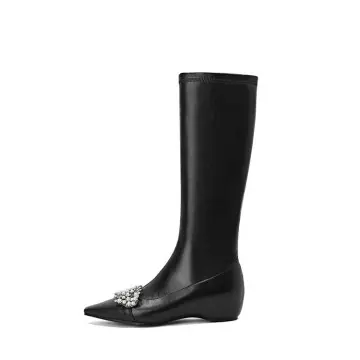
The modern consumer demands winter footwear that doesn't compromise style for functionality. Current design trends emphasize sleek silhouettes, premium leather finishes, and hardware details that elevate the boots from purely utilitarian to fashion-forward. Color palettes have expanded beyond traditional blacks and browns to include winter whites, deep burgundies, and metallic accents.
Premium winter leather boots incorporate design features that facilitate easy maintenance and extend product lifespan. Replaceable heel tips, removable insulation layers, and leather treatments that simplify cleaning and conditioning ensure that investment-grade footwear remains functional and attractive across multiple winter seasons.
The market for boots leather heels for snowy conditions segments into distinct categories based on use cases, each with specific performance requirements and design considerations. Understanding these segments is crucial for manufacturers seeking to optimize product development and marketing strategies.
Professional Urban Environments: This segment represents the largest market share, encompassing professionals who require footwear that maintains corporate dress codes while providing safety and comfort during winter commutes. These consumers prioritize sleek designs with moderate heel heights (5-7cm), discreet traction features, and finishes that complement business attire. Market research indicates this segment values versatility, with 73% of surveyed consumers indicating they prefer boots that transition seamlessly from outdoor to indoor environments without requiring footwear changes.
Evening and Social Occasions: Winter formal events create unique footwear challenges, requiring boots that combine weather protection with elegant aesthetics. This segment demands higher heels (8-10cm), premium leather finishes, and decorative elements like buckles, studs, or embossing. Despite representing a smaller market volume, this category commands premium pricing, with average retail prices 40-60% higher than professional-focused designs.
Active Lifestyle and Outdoor Recreation: Consumers in this segment seek boots that support active winter activities while maintaining style. Requirements include enhanced ankle support, more aggressive traction patterns, and higher shaft designs for deeper snow protection. This market has grown significantly, expanding 28% year-over-year as outdoor winter activities gain popularity among urban populations.
Travel and Tourism: Winter destination travelers represent an emerging segment with specific needs: compact packability, versatility across varied terrain and social settings, and performance in unfamiliar winter conditions. This market segment particularly values multi-functional designs and comprehensive waterproofing, as travelers may encounter unexpected weather variations.
Geographic variations significantly influence design priorities and market opportunities. Northern European markets prioritize extreme cold performance and minimalist aesthetics. North American consumers favor versatility and value propositions, often seeking boots that function across multiple seasons. Asian markets, particularly in Japan and South Korea, emphasize compact designs suitable for frequent indoor-outdoor transitions and public transportation use. Understanding these regional preferences is essential for manufacturers developing global product lines.
The commercial wholesale market for winter leather heeled boots operates through multiple channels, each with distinct characteristics. Traditional retail partnerships remain significant, though their dominance has declined as direct-to-consumer and online marketplaces have expanded. B2B platforms have emerged as crucial intermediaries, connecting manufacturers with retailers, boutiques, and corporate buyers seeking bulk orders for employee uniform programs or promotional purposes.
Sustainability considerations increasingly influence purchasing decisions across all market segments. Consumers demonstrate growing awareness of leather sourcing practices, manufacturing environmental impacts, and product longevity. This trend has prompted leading manufacturers to invest in transparent supply chains, eco-friendly tanning processes, and take-back programs that facilitate recycling or refurbishment of worn boots. Industry analysis suggests that by 2026, sustainability credentials will influence purchasing decisions for 65% of premium winter footwear consumers.
Q.L. CODEX is a footwear brand born from Eastern philosophy and Western craft.
"Q.L." stands for Qian Long — the Hidden Dragon — a symbol of potential, wisdom, and inner strength.
"Codex" reflects our devotion to timeless design and slow craftsmanship — each pair is a chapter in your personal journey.
We don't follow trends. We follow stories.

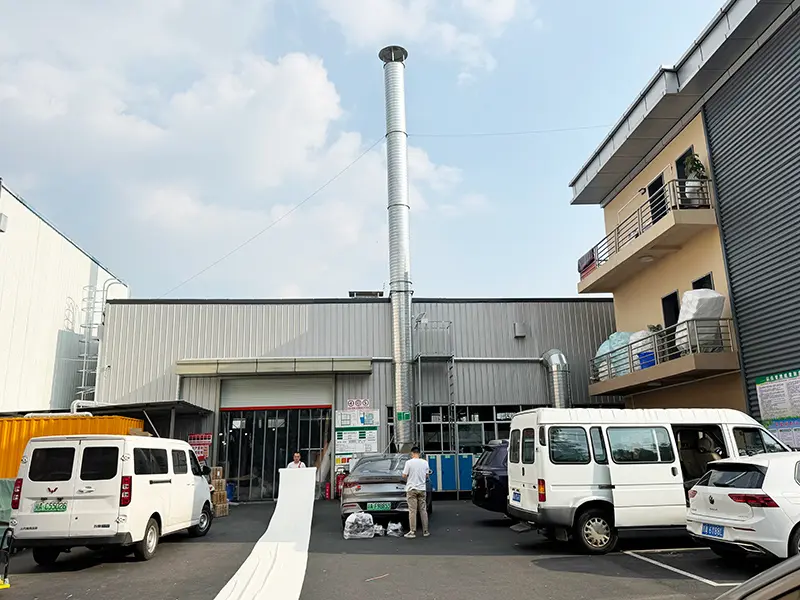
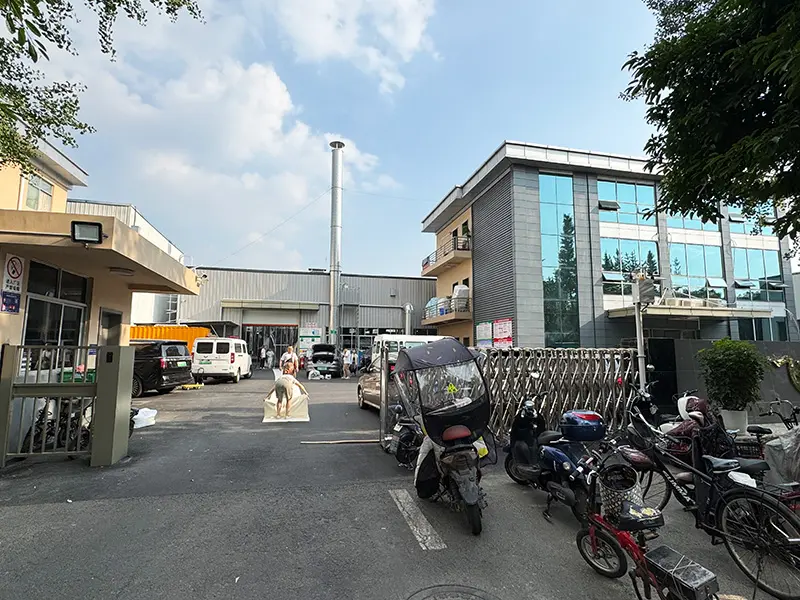
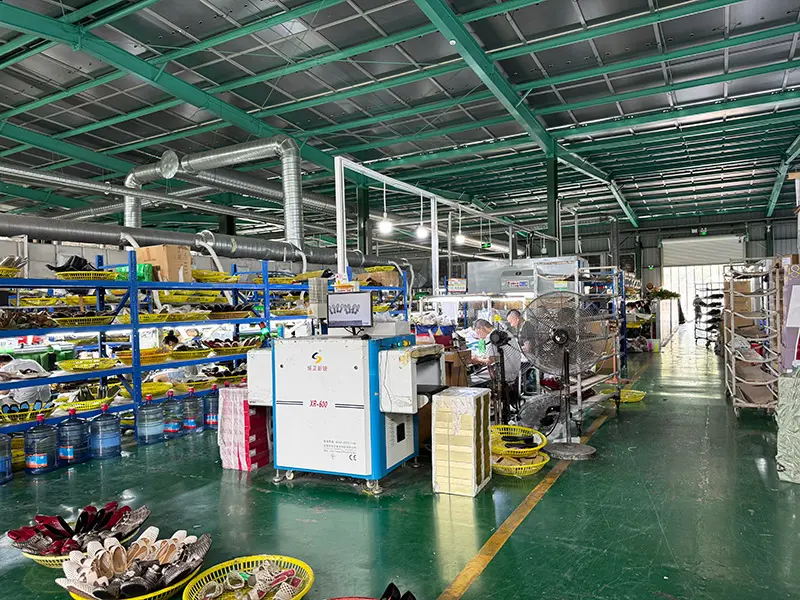
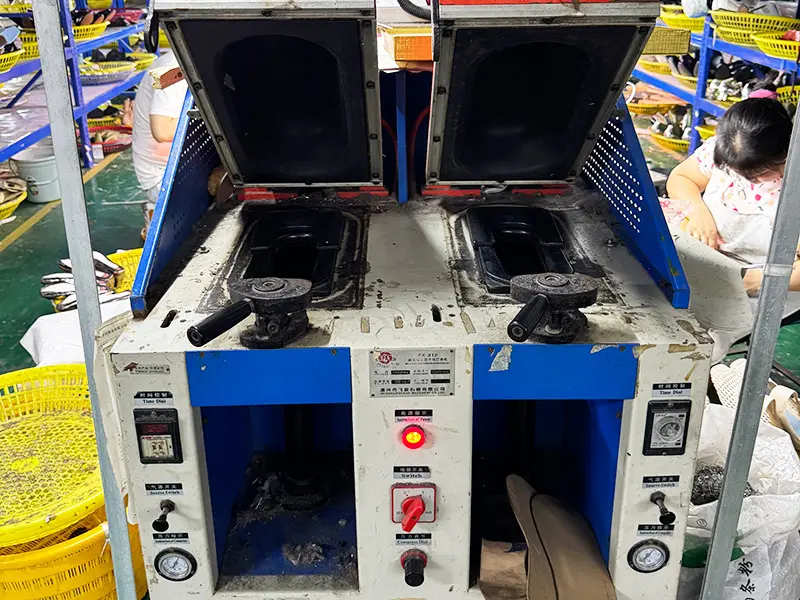
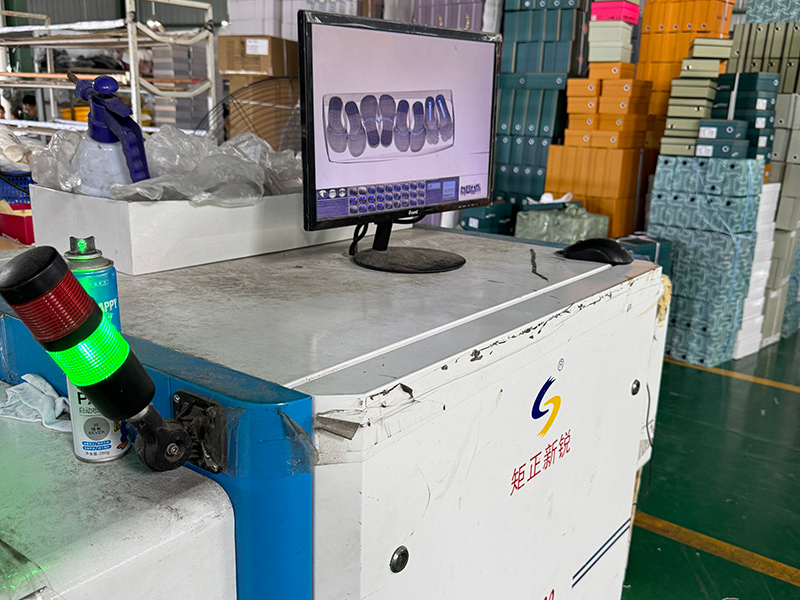
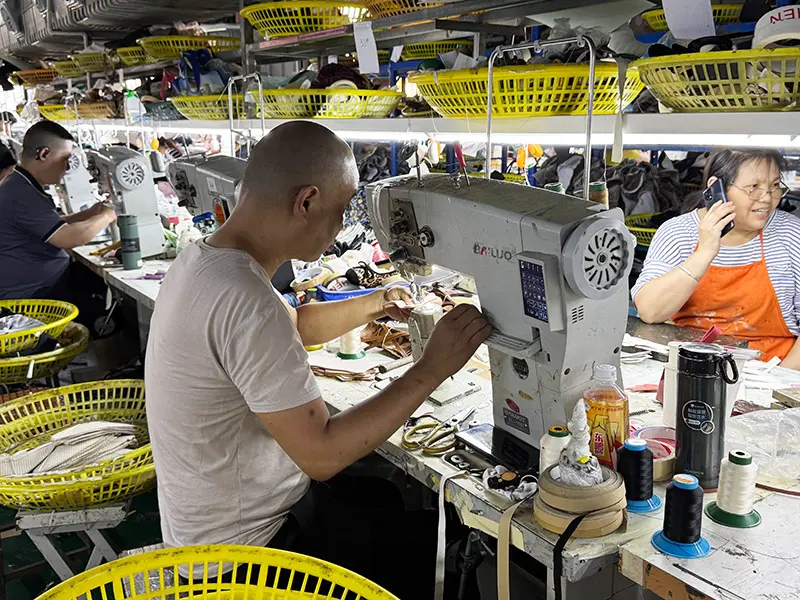
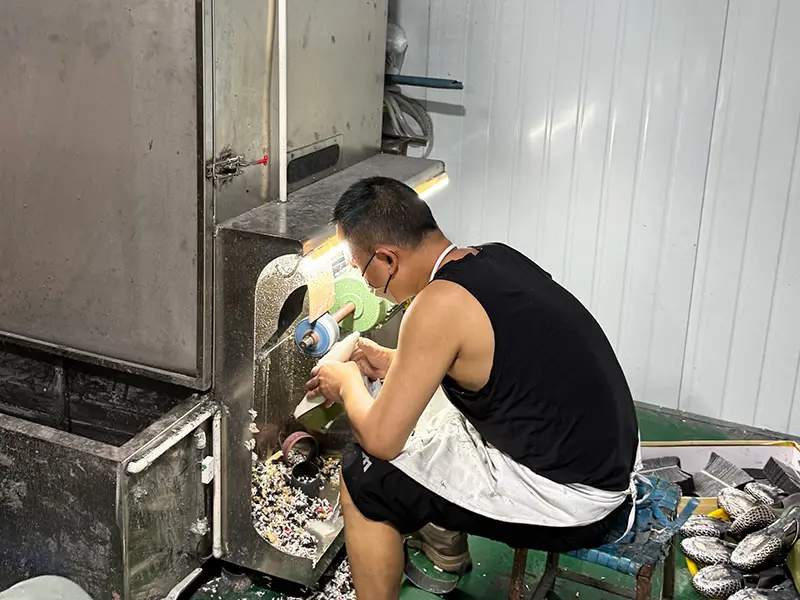
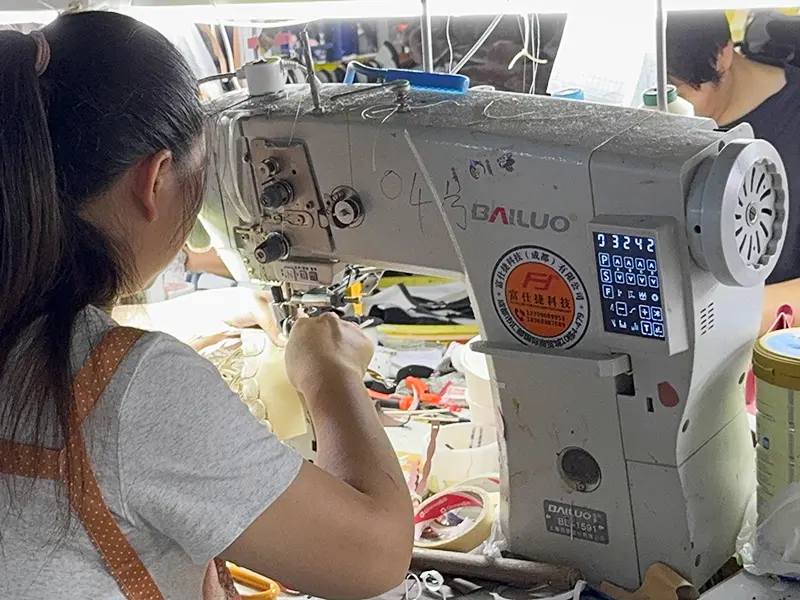
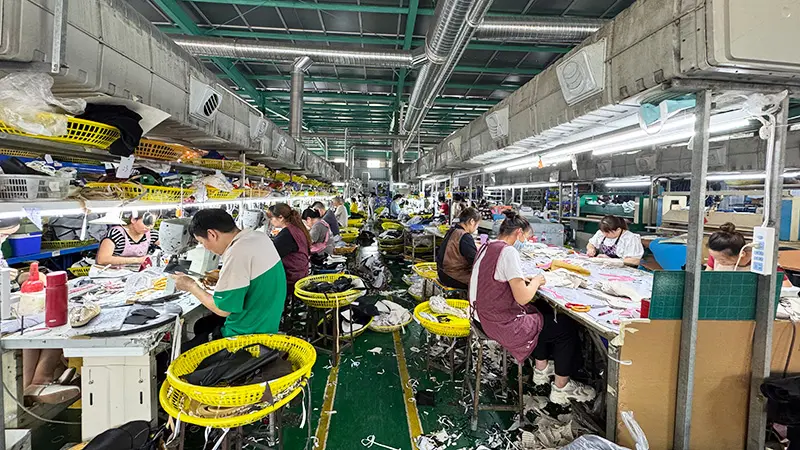
Equipped with 10 modern production lines and a skilled workforce of over 100 employees, we boast a monthly production capacity of 300,000 pairs. Our factory integrates advanced manufacturing technology with meticulous craftsmanship to ensure superior product quality. From material selection to cutting, stitching, and finishing, every step undergoes strict quality control to meet international standards.
Our specialized winter footwear division employs cold-testing chambers and advanced waterproofing application systems to ensure boots leather heels for snowy conditions meet the most demanding performance requirements.
We specialize in providing customized OEM (Original Equipment Manufacturing) and ODM (Original Design Manufacturing) services to meet diverse client needs. Whether you require private-label designs or tailored production solutions, our experienced R&D team collaborates closely with clients to develop trendy, market-ready footwear.
We support small and large orders, ensuring flexibility and efficiency in production. Our design team stays current with global winter footwear trends, incorporating the latest technologies in traction, insulation, and waterproofing into custom designs.
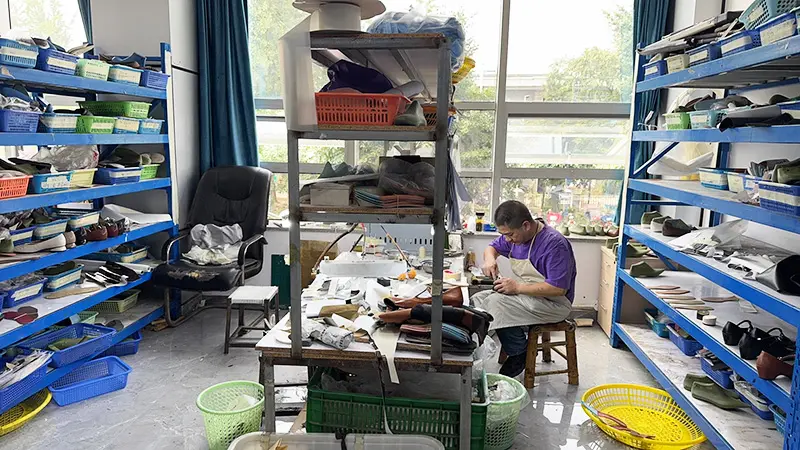



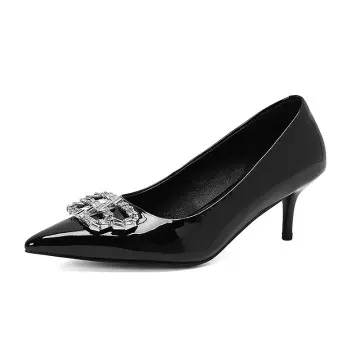
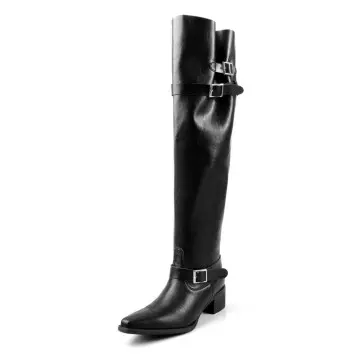

We prioritize sustainability by sourcing eco-friendly materials and implementing responsible production practices. Each pair of shoes undergoes rigorous testing for durability, comfort, and safety. By adhering to ethical labor practices and environmental standards, we ensure that our products not only meet customer expectations but also contribute to a greener future.
Our specialized testing protocols for boots leather heels in snowy conditions include cold chamber evaluations, ice traction assessments, and extended wear trials in actual winter environments. This comprehensive approach ensures that every pair leaving our facility meets the highest standards for performance and reliability.
With decades of experience, cutting-edge facilities, and a customer-centric approach, we continue to expand our footprint in the international market. Whether you are a startup or an established brand, we invite you to collaborate with us for premium-quality women's footwear solutions designed to excel in the most challenging winter conditions.
Let's step into your story!


