
Leave Your Message
The intersection of high fashion and winter functionality has given birth to one of the most challenging yet rewarding product categories in footwear: high heels and high boots designed specifically for snowy conditions. This niche market represents a sophisticated response to consumer demand for footwear that refuses to compromise style for safety during winter months.
Traditionally, winter footwear prioritized warmth and traction over aesthetics, relegating fashion-conscious consumers to choose between looking good and staying safe. However, modern manufacturing techniques, advanced materials science, and innovative design approaches have revolutionized this category, creating products that deliver both runway-worthy style and snow-ready performance.
The global market for women's winter boots has experienced significant growth, with the premium segment—including high-heeled winter boots—expanding at an annual rate of 7.3% over the past five years. This growth is driven by several converging factors: urbanization in cold-climate regions, the rise of social media fashion culture, increased female participation in winter outdoor activities, and growing consumer purchasing power in emerging markets.
Advanced anti-slip outsole technologies combined with thermal insulation systems that maintain foot temperature in sub-zero conditions while supporting elevated heel structures.
Contemporary silhouettes that incorporate winter-specific features like waterproof membranes, fur linings, and reinforced ankle support without sacrificing the elegant lines of high-fashion footwear.
Growing demand across North America, Northern Europe, and emerging Asian markets where winter fashion consciousness is rapidly developing.
Consumers willing to invest in quality winter footwear that performs technically while making fashion statements, with average price points 40-60% higher than standard winter boots.
Creating high heels and high boots for snowy conditions presents unique engineering challenges. The elevated heel structure inherently shifts the wearer's center of gravity, making balance more precarious on slippery surfaces. Manufacturers must address multiple technical considerations simultaneously: traction enhancement, structural stability, thermal insulation, moisture protection, and weight distribution.
Modern solutions incorporate specialized rubber compounds in outsoles that remain flexible in cold temperatures, featuring deep tread patterns with multi-directional lugs that bite into snow and ice. Some manufacturers integrate micro-spike technology or retractable ice grips into the heel and forefoot areas. The heel structure itself often employs reinforced steel shanks or carbon fiber supports to prevent collapse under stress while maintaining the sleek profile expected in fashion footwear.
✓ Slip resistance coefficient: Minimum 0.5 on wet ice surfaces
✓ Thermal insulation: Maintains internal temperature above 15°C in -20°C ambient conditions
✓ Waterproofing: 100% water resistance for minimum 8 hours continuous exposure
✓ Structural integrity: Heel stability maintained under 150kg load on 30-degree inclines
The materials used in high-heel winter boots represent some of the most advanced applications in footwear manufacturing. Upper materials must be simultaneously waterproof, breathable, flexible, and aesthetically refined. Many manufacturers now employ bonded leather with integrated waterproof membranes, technical textiles with DWR (Durable Water Repellent) treatments, and hybrid constructions that combine natural and synthetic materials.
Insulation technologies have evolved beyond traditional fur and wool. Modern boots incorporate Thinsulate, PrimaLoft, or proprietary synthetic insulation systems that provide superior warmth-to-weight ratios. These materials trap air efficiently while maintaining minimal bulk, allowing designers to preserve the sleek silhouettes expected in high-fashion footwear. Some premium manufacturers use aerogel insulation—originally developed for aerospace applications—which provides exceptional thermal resistance in remarkably thin layers.
Producing high-quality winter high heels requires sophisticated manufacturing capabilities that combine traditional craftsmanship with modern technology. The process typically involves 150-200 individual steps, from initial pattern cutting through final quality inspection. Each component must meet exacting standards: leather must be selected for both appearance and performance characteristics, seams must be sealed to prevent moisture intrusion, and every boot must pass rigorous testing protocols.
High-heeled winter boots serve diverse use cases across multiple consumer segments. Urban professionals require footwear that transitions seamlessly from outdoor commutes to office environments, maintaining professional appearance while providing safety during winter weather. These consumers prioritize sleek designs with moderate heel heights (5-8cm) and subtle winter-specific features that don't compromise business-appropriate aesthetics.
The evening and event market represents another significant segment. Consumers attending winter weddings, holiday parties, and formal events seek footwear that delivers high-fashion impact while accommodating snowy parking lots and icy venue entrances. This category often features higher heels (8-12cm), luxury materials like velvet or patent leather with waterproof treatments, and decorative elements like rhinestones or fur trim that don't compromise functionality.
Active lifestyle consumers represent a growing market segment. These individuals participate in winter outdoor activities—from urban exploration to après-ski socializing—requiring boots that support extended wear in challenging conditions. This category emphasizes technical performance with fashion-forward design, often incorporating features like removable liners, adjustable fit systems, and enhanced ankle support while maintaining contemporary styling.
The winter fashion footwear industry is experiencing rapid evolution driven by technological advancement and changing consumer expectations. Sustainability has emerged as a critical consideration, with manufacturers increasingly incorporating recycled materials, developing biodegradable components, and implementing circular economy principles. Some brands now offer take-back programs where worn boots are refurbished or recycled, addressing growing environmental consciousness among consumers.
Smart footwear integration represents an emerging frontier. Prototype designs incorporate heated insoles with smartphone control, embedded sensors that monitor gait and provide fall-risk alerts, and even GPS tracking for safety in remote winter environments. While these technologies are currently premium features, industry analysts predict mainstream adoption within 3-5 years as component costs decline and consumer acceptance grows.
Customization and personalization are becoming increasingly important differentiators. Advanced manufacturing techniques including 3D printing and automated cutting systems enable economically viable small-batch production, allowing brands to offer customized fit, personalized design elements, and made-to-order options that were previously feasible only at luxury price points.
Q.L. CODEX is a footwear brand born from Eastern philosophy and Western craft.
"Q.L." stands for Qian Long — the Hidden Dragon — a symbol of potential, wisdom, and inner strength.
"Codex" reflects our devotion to timeless design and slow craftsmanship — each pair is a chapter in your personal journey.
We don't follow trends. We follow stories.

Understanding consumer decision-making in the winter fashion footwear market reveals complex motivations beyond basic functional requirements. Research indicates that 73% of purchasers consider aesthetic appeal equally or more important than technical specifications, even when buying specifically for winter conditions. This paradox drives the entire category: consumers want boots that perform in snow but look like they were designed for fashion runways.
Price sensitivity varies significantly across market segments. Premium consumers (household income >$100K annually) demonstrate willingness to invest $300-800 per pair for boots combining luxury materials, superior craftsmanship, and proven winter performance. Mid-market consumers ($50K-100K income) typically target the $150-300 range, seeking optimal value through brands that deliver reliable quality without luxury pricing. The emerging market segment focuses on accessible price points ($80-150) while still demanding fashion-forward designs and adequate winter functionality.
The competitive environment for winter high-heel boots encompasses diverse player types, from luxury fashion houses extending into functional footwear to traditional winter boot manufacturers elevating their design aesthetics. European luxury brands leverage heritage craftsmanship and premium materials to command top-tier pricing, while North American outdoor brands emphasize proven technical performance with increasingly sophisticated styling.
Asian manufacturers, particularly those in China and South Korea, have emerged as significant forces through combinations of competitive pricing, rapid trend response, and improving quality standards. These manufacturers often serve as OEM/ODM partners for Western brands while simultaneously developing proprietary brands targeting domestic and international markets. The ability to quickly scale production, implement design modifications, and maintain cost efficiency provides substantial competitive advantages in this fast-moving market.


The distribution landscape for winter fashion footwear has evolved dramatically with the rise of e-commerce and omnichannel retail strategies. Online sales now account for approximately 45% of total category revenue, driven by convenience, broader selection, and competitive pricing. However, physical retail remains crucial, particularly for premium segments where consumers value the ability to assess quality, try on for fit, and receive personalized service before purchase.
Successful brands increasingly employ hybrid approaches: flagship stores in key urban markets provide brand experience and customer acquisition, while e-commerce platforms deliver convenience and broader geographic reach. Pop-up retail concepts during peak winter months allow brands to test new markets and create urgency through limited-time availability. Wholesale partnerships with department stores and specialty retailers provide established distribution infrastructure while marketplace platforms like Amazon and regional equivalents offer access to value-conscious consumers.
Winter footwear presents unique challenges in inventory planning and seasonal demand management. Production typically begins 6-9 months before retail season, requiring accurate forecasting of style trends, color preferences, and size distributions. Manufacturers must balance sufficient inventory to meet peak demand against the risk of excess stock when seasons end, particularly given the limited 4-5 month primary selling window in most markets.
Climate variability adds complexity to demand forecasting. Unusually warm winters can devastate sales, while early or severe cold snaps can create unexpected demand surges that strain inventory systems. Sophisticated manufacturers employ predictive analytics incorporating historical sales data, weather forecasting, and real-time market signals to optimize production quantities and distribution timing. Some implement flexible manufacturing systems that allow mid-season production adjustments based on actual market performance.

Equipped with 10 modern production lines and a skilled workforce of over 100 employees, we boast a monthly production capacity of 300,000 pairs. Our factory integrates advanced manufacturing technology with meticulous craftsmanship to ensure superior product quality. From material selection to cutting, stitching, and finishing, every step undergoes strict quality control to meet international standards.

Effective marketing for winter fashion footwear requires balancing aspirational brand messaging with practical product benefits. Successful campaigns showcase boots in authentic winter environments while emphasizing fashion credentials through styling that demonstrates versatility across occasions. Social media platforms, particularly Instagram and Pinterest, serve as crucial channels for visual storytelling that highlights both aesthetic appeal and functional performance.
Influencer partnerships have become standard practice, with brands collaborating with fashion bloggers, lifestyle influencers, and micro-influencers who demonstrate authentic engagement with target demographics. User-generated content campaigns encourage customers to share their own styling and experiences, building community while providing authentic social proof. Video content showing boots in actual winter conditions—walking on snow, transitioning from outdoor to indoor environments, styling for different occasions—performs particularly well in driving purchase consideration.
Rigorous quality control distinguishes premium winter fashion footwear from inferior alternatives. Comprehensive testing protocols evaluate multiple performance dimensions: slip resistance on various winter surfaces, waterproofing under extended exposure, thermal insulation effectiveness across temperature ranges, structural integrity under stress, and durability through simulated wear cycles. Leading manufacturers maintain dedicated testing facilities with climate chambers, mechanical stress equipment, and standardized test surfaces.
Material testing begins before production, with leather, textiles, and components evaluated for quality, consistency, and performance characteristics. In-process inspections at critical manufacturing stages catch defects before they propagate through production. Final inspection examines every finished boot for construction quality, aesthetic standards, and functional performance. Many premium manufacturers implement traceability systems that track individual boots through the entire production process, enabling rapid identification and resolution of any quality issues.


Environmental sustainability has transitioned from niche concern to mainstream expectation in footwear manufacturing. Progressive brands implement comprehensive sustainability programs addressing material sourcing, manufacturing processes, packaging, and product lifecycle. Leather sourcing from certified tanneries using environmentally responsible processing methods reduces water consumption and eliminates harmful chemicals. Recycled and bio-based synthetic materials provide alternatives to petroleum-derived components without compromising performance.
Manufacturing efficiency improvements reduce waste and energy consumption. Water-based adhesives replace solvent-based alternatives, eliminating volatile organic compound emissions. Solar power and other renewable energy sources increasingly power production facilities. Packaging transitions from single-use plastics to recycled cardboard and biodegradable materials. Some forward-thinking brands implement take-back programs, refurbishing returned boots for resale or recycling components into new products, advancing circular economy principles.
The future of winter fashion footwear promises continued innovation across multiple dimensions. Material science advances will deliver enhanced performance with reduced environmental impact—bio-fabricated leathers, advanced insulation from recycled materials, and self-cleaning surface treatments that maintain appearance through harsh winter conditions. Manufacturing technology evolution including automated stitching, 3D-printed components, and AI-driven quality control will improve consistency while reducing costs.
Design innovation will push boundaries of what's possible in combining high fashion aesthetics with winter functionality. Modular designs allowing consumers to customize appearance and performance characteristics for different conditions represent emerging possibilities. Smart technology integration—heating elements, fall detection sensors, fitness tracking—will transition from novelty to expected features in premium segments. Climate change impacts may shift market dynamics, with traditional winter markets experiencing shorter or milder seasons while new markets emerge in regions experiencing novel winter weather patterns.


North America
Europe

China
Latin America
Africa
Australia
We prioritize sustainability by sourcing eco-friendly materials and implementing responsible production practices. Each pair of shoes undergoes rigorous testing for durability, comfort, and safety. By adhering to ethical labor practices and environmental standards, we ensure that our products not only meet customer expectations but also contribute to a greener future.
With decades of experience, cutting-edge facilities, and a customer-centric approach, we continue to expand our footprint in the international market. Whether you are a startup or an established brand, we invite you to collaborate with us for premium-quality women's footwear solutions.
Let's step into your story!
Explore our comprehensive range of high heels and high boots engineered for snowy conditions
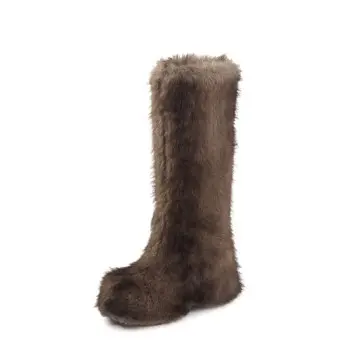 Rabbit Fur Snow Boots: Genuine Leather & Slip-Resistant
 Luxury Handmade Black Court Shoes for Women 7cm Heels
 Black Velvet Rhinestone Over-the-Knee Stiletto Boots
 2025 Custom Ballet Wedge Heel Mid-Calf Buckle Boots
 Q.L Codex Brown Leather Western Mid-Calf Pull-On Boots
 Silver 16cm Extreme Heel Western Over-The-Knee Lace-Up Boots
 Designer-Inspired Patent Leather Pointed-Toe 9cm Heels for Women
 Custom Flip Sequin Ankle Boots: 15.5CM Chunky Heel, Dance/Party


