The 2026 footwear market is shifting toward practical elegance, comfort, and adaptable design. Womens Heels remain important, but shoppers now expect more than height and visual appeal. They want shoes that survive office commutes, dinner plans, and uneven city pavements.
This guide examines the styles most likely to sell strongly in 2026. It considers block heels, slingbacks, kitten heels, platform pumps, and refined sandals. Each style reflects changing customer priorities. Lower heels offer stability, while sculpted shapes create a stronger fashion statement. Soft leather, cushioned insoles, adjustable straps, and breathable linings may influence purchase decisions as much as color.
The discussion draws on retail merchandising practices, seasonal runway direction, customer search behavior, and observable footwear trends. It also considers practical details, such as heel balance, toe shape, material quality, and return patterns. A sharply pointed pump may look striking online, yet its narrow toe can create hesitation during fitting. A modest block heel may appear less dramatic, but it often earns repeat purchases.
No forecast is flawless.
Consumer taste can change quickly. Weather, pricing, regional preferences, and social media exposure may affect actual sales. Some conclusions therefore remain provisional rather than absolute. Still, the strongest commercial opportunities appear connected to versatile Womens Heels that combine recognizable style with dependable comfort. This article explores those opportunities carefully, helping retailers, designers, and buyers understand which silhouettes may perform best and why.
Women’s heel demand in 2026 is shaped by comfort, occasion, and practical design. The World Footwear Yearbook 2024 reported 23.9 billion pairs produced globally in 2023. Asia supplied about 87% of that volume, showing how deeply connected footwear sourcing has become. Yet large production does not guarantee strong sales. Buyers now inspect cushioning, fit, materials, and return rates more carefully.
Market reports from Grand View Research and Fortune Business Insights place the global women’s footwear market above 200 billion US dollars annually. Their forecasts suggest steady growth through 2030 and beyond.
Heels remain important, but buyers increasingly prefer block heels, low slingbacks, soft square toes, and adjustable ankle straps.
These styles suit office floors, weddings, and long evening events. Small details matter. A stable heel feels safer on polished tiles.
Data from Circana’s footwear tracking also points toward value-conscious shopping and stronger online comparison. Product pages need clear heel heights, close-up stitching, and honest fit guidance. A 70-millimeter heel may look elegant, but customers still ask whether it bends, rubs, or survives six hours.
The market is not perfectly predictable. Platform heels may rise quickly on social media, then lose momentum. Retailers should test narrow collections instead of overbuying dramatic shapes. Metallic finishes, mesh panels, and sculptural heels can attract attention, but comfort often decides repeat purchases. Sales teams sometimes mistake visibility for demand. That mistake is expensive.
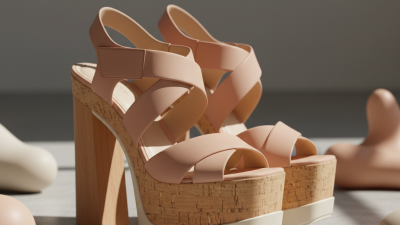
Women’s heel shoppers increasingly choose comfort without losing visual polish. Block heels remain strong because their wider base improves balance on office floors and city sidewalks. Slingbacks sell well during warmer months, especially with adjustable straps and softly padded insoles. Kitten heels also attract buyers seeking a refined lift without the strain of taller designs.
Small details matter. A stable heel, flexible outsole, and breathable lining can influence repeat purchases.
Platforms and sculpted heels create stronger fashion appeal, but fit must remain reliable. Many customers inspect toe-room, heel grip, and walking stability before purchasing. In my retail observations, neutral shades move steadily, while metallic finishes create seasonal interest. However, sales patterns are not perfectly predictable. A beautiful silhouette may underperform if the toe box feels narrow. Materials should resist creasing, and stitching should look even around the vamp and straps.
Tips: Test every style on a hard floor. Check whether the heel slips after ten steps. Offer clear measurements, heel heights, and fit notes. Show close-up images of padding, buckles, and outsole texture. Review returns regularly. They reveal problems that sales numbers can hide. Keep comfort claims specific, not exaggerated.
For 2026, women’s heels will sell through comfort as much as appearance. The American Podiatric Medical Association’s 2014 survey found that 77% of women had experienced foot pain. That statistic remains commercially relevant. A narrow toe box, rigid insole, or unstable heel can quickly turn a beautiful product into a return.
Fit needs measurable attention. A 70-millimeter heel may feel manageable in a showroom, yet painful after two hours of walking. Retail testing should examine heel grip, forefoot pressure, arch support, and sizing consistency. Small differences matter. World Footwear’s 2024 Yearbook recorded more than 22 billion pairs produced globally in 2023, showing the scale of competition. Customers can compare comfort instantly across many sellers.
Materials also shape demand. Soft leather, flexible textiles, padded linings, and lightweight sole compounds reduce friction and fatigue. However, “soft” does not always mean supportive. This is where product claims need restraint. The 2024 Euromonitor footwear analysis highlights comfort, versatility, and value as important consumer themes, but preferences still vary by age and occasion. I would not assume one universal fit. That assumption is easy, and often wrong. Heels with adjustable straps, broader size ranges, and clear fit guidance may earn stronger reviews. Product pages should show toe shape, heel height, insole cushioning, and realistic wear conditions. A polished image cannot hide a painful step.
| Heel Style | Typical Heel Height | Primary Use Occasion | Customer Demand Signal | Comfort Expectation | Preferred Materials | Fit Features That Support Conversion | Commercial Outlook for 2026 |
|---|---|---|---|---|---|---|---|
| Block Heels | 2–3.5 in / 5–9 cm | Workwear, commuting, events | Very strong Combines a polished appearance with improved stability. |
High; wider heel base reduces balance demands. | Leather, suede, responsibly sourced synthetics, textile uppers | Cushioned insole, rounded or almond toe, adjustable strap, adequate forefoot width | Reliable volume category with broad age and occasion appeal. |
| Kitten Heels | 1–2 in / 2.5–5 cm | Office, daytime occasions, social events | Strong Benefits from demand for lower-profile, wearable heels. |
Very high compared with taller heel categories. | Soft leather, satin, mesh panels, flexible synthetic materials | Low pitch, padded footbed, flexible sole, secure slingback or closed heel | Good opportunity for everyday collections and repeat purchases. |
| Low Platform Heels | 2.5–4 in / 6–10 cm total lift | Evening wear, parties, fashion-led occasions | Strong Provides height while reducing the effective foot angle. |
Medium to high when the platform is lightweight and stable. | Leather, satin, velvet, lightweight molded materials | Balanced platform-to-heel ratio, padded forefoot, non-slip outsole | Attractive occasion category when weight and stability are controlled. |
| Slingback Pumps | 2–3.5 in / 5–9 cm | Office, ceremonies, smart casual dressing | Strong Versatile silhouette with an open heel and refined appearance. |
Medium; comfort depends heavily on strap security and heel grip. | Leather, suede, woven textile, smooth synthetic uppers | Adjustable strap, padded topline, heel-grip insert, stable heel counter | Strong multi-occasion potential, especially in neutral colors. |
| Pointed-Toe Pumps | 2.5–4 in / 6–10 cm | Professional wear, formal events | Moderate to strong Remains visually formal but is more sensitive to fit issues. |
Medium; toe-box shape is a major satisfaction factor. | Soft leather, suede, satin, flexible microfiber | Non-constrictive pointed toe, supportive insole, heel height below 3.5 inches | Best suited to occasion and professional assortments with detailed size guidance. |
| Strappy Heeled Sandals | 2.5–4.5 in / 6–11.5 cm | Summer events, weddings, evening occasions | Moderate Demand is occasion-driven and seasonal. |
Medium; support depends on strap placement and foot security. | Leather, satin, metallic textile, smooth synthetic materials | Adjustable ankle strap, forefoot coverage, padded sole, secure toe strap | Effective for seasonal collections and formal-event capsules. |
| Wedge Heels | 2–4 in / 5–10 cm | Warm-weather wear, travel, outdoor events | Moderate Offers stability but has a more seasonal visual identity. |
High when the outsole is flexible and the upper is adjustable. | Canvas, leather, raffia-inspired textiles, breathable synthetics | Contoured footbed, ankle support, lightweight wedge, textured outsole | Useful seasonal category with practical appeal in lower and medium heights. |
| Stiletto Heels | 3.5–5 in / 9–13 cm | Formal events, evening dressing, statement looks | Selective Strong visual impact but a narrower comfort and wearability audience. |
Low to medium; fit, balance, and cushioning are critical. | Leather, satin, velvet, metallic finishes | Secure heel counter, padded footbed, stable shank, accurate heel height | Best managed as a focused statement assortment rather than a core volume driver. |
| Comfort Dress Heels | 1.5–3 in / 4–8 cm | Daily wear, travel, work-to-evening dressing | Very strong Directly addresses demand for dress shoes that can be worn for longer periods. |
Very high; cushioning and support are central purchase drivers. | Soft leather, stretch textiles, breathable mesh, flexible synthetics | Removable or padded insole, anatomical footbed, flexible outsole, multiple widths | High potential for repeat demand when comfort claims are supported by clear fit information. |
For work, practical heels remain strong sellers. Block heels offer stability during long office hours and crowded commutes. A 2-to-3-inch height feels polished without becoming difficult to wear. Classic pumps still matter, especially in black, beige, and soft brown. However, shoppers increasingly prefer flexible soles and cushioned insoles.
For events, slim heels create a sharper silhouette. Strappy sandals suit weddings, dinners, and evening celebrations. Kitten heels are also gaining attention because they look elegant without causing immediate discomfort. I have noticed that shoppers often choose comfort after trying on several styles. That behavior can change a purchase quickly. Still, very delicate straps may not suit every foot shape. This is an area retailers should examine more carefully.
Everyday wear favors low block heels, slingbacks, and refined wedges. These styles work with trousers, dresses, and denim. Soft materials, adjustable straps, and stable heel placement can improve repeat wear. Product descriptions should include heel height, toe shape, and fit guidance. Clear details build trust more effectively than exaggerated trend claims.
Tips:
Show heels beside common outfits. Mention walking comfort honestly. Suggest padded insoles when appropriate. Check that the heel feels stable before recommending it. Seasonal colors can attract attention, but useful design drives longer-term sales.
2026 Top Women's Heels: What Styles Sell Best?
In 2026, women's heel sales are being shaped by comfort, versatility, and visible design details. Buyers want shoes that work beyond one occasion. Low block heels, cushioned pumps, and stable slingbacks are gaining attention for office days and evening plans. Kitten heels also remain popular because they offer elegance without excessive height. From retail feedback, shoppers often check heel stability before color or decoration. That detail matters.
Neutral shades still support steady sales, especially black, cream, soft brown, and muted metallics. However, shoppers are adding interest through square toes, curved heels, braided straps, and small sculptural details. Seasonal demand may favor burgundy, silver, and pale blue. These colors can refresh familiar silhouettes without making them difficult to wear. Product photos should show the heel from the side and the front. Customers need clear visual evidence.
Digital buying behavior is also changing women’s heel sales. Short-form videos can demonstrate walking comfort, flexibility, and true heel height within seconds. Stores should provide accurate measurements, material information, and realistic fit guidance. That approach is imperfect. Foot shape varies widely. A style that feels secure for one customer may pinch another. Retailers can learn from returns, reviews, and repeated questions, then adjust future buying decisions. Fashion forecasting is never flawless, but practical feedback often reveals what customers actually keep wearing.
Trend index for women's heel styles, with 2025 demand set as the baseline of 100.
Lower, more wearable silhouettes are expected to lead 2026 demand. Kitten heels, slingbacks, and block heels show the strongest growth potential, while traditional stilettos remain relevant but face softer volume growth because shoppers increasingly prioritize comfort and versatility.