Best Heels And Boots Trends for Global Buyers in 2026?
As we approach 2026, the "Heels and Boots" industry is evolving rapidly. Leading expert, Dr. Amelia Greene, states, "Fashion is not just about trends; it’s about how we express identity." This sentiment holds true as global buyers seek styles that reflect personal experiences and lifestyles.
In upcoming years, buyers will see innovative designs and sustainable materials. Brands are focusing on the balance between comfort and style. With more consumers prioritizing eco-friendly options, the demand for sustainable heels and boots rises. Yet, some luxury brands grapple with this shift, often clinging to traditional methods.
Experts note that while trends will define the aesthetic, true success lies in adaptability. Many brands face challenges in meeting diverse consumer needs. The dynamic nature of the "Heels and Boots" market demands reflection and growth. It's crucial for companies to listen to their customers and embrace change.
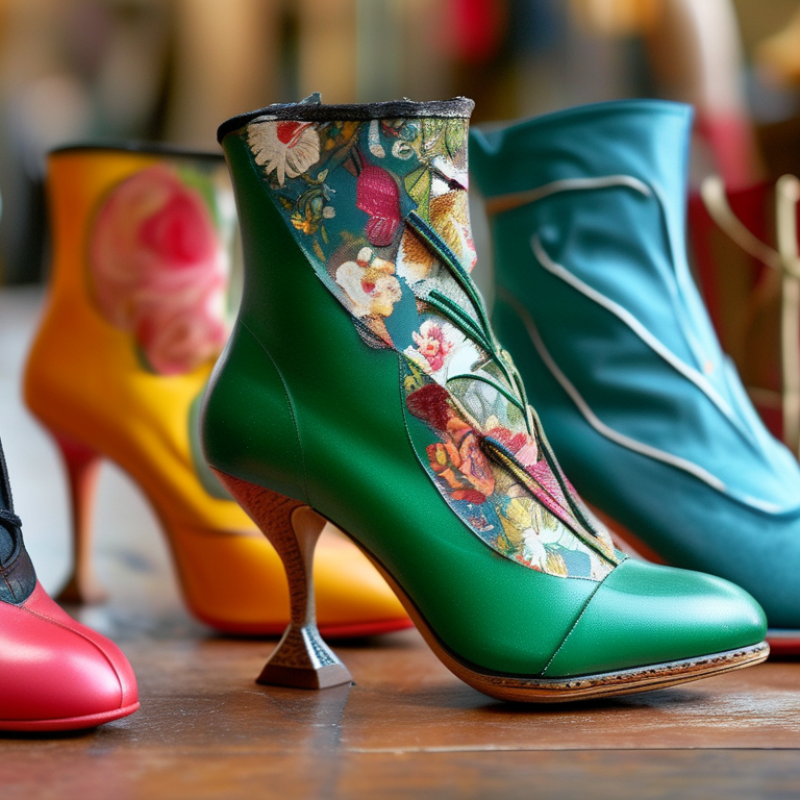
Best Heels and Boots Trends for Global Buyers in 2026: An Overview
As we look to 2026, the footwear market shows promising trends in heels and boots. According to recent industry reports, the global footwear market is projected to reach $500 billion by 2026. A shift towards sustainable materials is notable, with 60% of consumers preferring eco-friendly options. Buyers will need to embrace this shift as they source products.
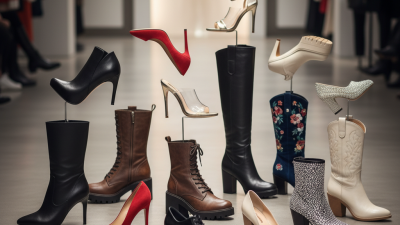
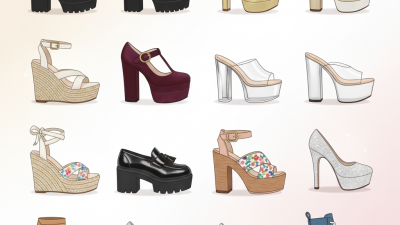
The popularity of chunky heels and platform boots shows no signs of waning. These styles provide both comfort and height, appealing to a wider audience. Reports indicate that 72% of women prioritize comfort in their footwear choices. Transparent materials and bold colors are expected to dominate shelves. However, trends show variability across regions.
Despite the excitement around these trends, challenges remain. Sourcing sustainable materials can drive up costs. Not all buyers are prepared for the price increase. Additionally, consumer preferences may shift rapidly, leaving retailers with unsold inventory. Adapting to these dynamics requires flexibility and research. Retailers must balance trends with practical implications for their supply chains.
Emerging Footwear Styles Influenced by Market Demand and Consumer Behavior
In 2026, the footwear market is evolving rapidly, shaped by consumer preferences and shopping habits. Buyers are leaning towards styles that blend comfort with chic designs. High heels are being reimagined with padded interiors and adjustable features. These designs cater to a demographic that values both aesthetics and all-day wearability.
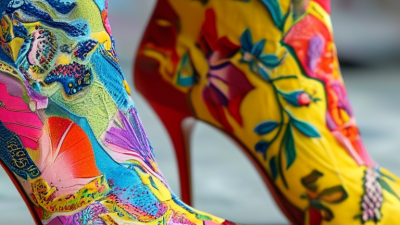
Moreover, boots are seeing a surge in demand for unique materials and finishes. Consumers are increasingly interested in eco-friendly options. Textures like suede and vegan leather are gaining popularity. However, the challenge lies in balancing sustainability with durability. Some consumers express concern about the longevity of eco-friendly choices. Their expectations for quality remain high, even as they pursue more ethical purchases.
Trends show a move towards versatile designs. Consumers want footwear that transitions seamlessly from day to night. The rise of online shopping influences this demand. Visuals in e-commerce attract buyers, but fit and comfort cannot be overlooked. Many still struggle with sizing online. As preferences shift, the industry must carefully consider how to meet evolving consumer needs.
Best Heels And Boots Trends for Global Buyers in 2026 - Emerging Footwear Styles Influenced by Market Demand and Consumer Behavior
| Trend Category |
Style Description |
Material |
Target Audience |
Price Range (USD) |
| Chunky Heels |
Wide, sturdy heels providing comfort and stability. |
Leather, Suede |
Young Adults, Professionals |
80 - 150 |
| Ankle Boots |
Short boots that are versatile and trendy. |
Vegan Leather, Canvas |
Fashion-forward Individuals |
75 - 120 |
| Platform Heels |
Elevated front to reduce arch strain. |
Synthetic, Patent Leather |
Club-goers, Evening Wear Enthusiasts |
90 - 160 |
| Combat Boots |
Durable boots with a rugged aesthetic. |
Leather, Rubber |
Adventurers, Trendsetters |
85 - 140 |
| Knee-high Boots |
Stylish and warm; perfect for cold weather. |
Leather, Faux Fur |
Fashion-conscious Shoppers |
100 - 200 |
Sustainable Materials and Eco-friendly Practices in 2026 Footwear Trends
As we approach 2026, the footwear industry is embracing sustainable materials and eco-friendly practices more than ever. Buyers worldwide are seeking heels and boots crafted from recycled or biodegradable materials. Innovations in fabrics, like organic cotton and cork, are gaining traction. These materials reduce environmental impact while maintaining style and comfort.
Tips for choosing sustainable footwear include checking labels for eco-certifications. Look for shoes made with natural dyes and water-based adhesives. This ensures a smaller carbon footprint. Additionally, consider longevity. Investing in high-quality boots can reduce waste over time.
Consumer awareness is a driving force. Many buyers now research brands' production methods. Transparency is crucial; customers want to know how products are made. It’s not always easy to find brands that align with eco-conscious values. However, staying informed empowers consumers to make better choices. Embrace the change in 2026, focusing on both style and sustainability.
Regional Variations in Heels and Boots Trends Across Major Global Markets
The global heels and boots market is evolving rapidly. By 2026, diverse regional preferences will shape trends. Data from the Global Footwear Market Report indicates that North America will continue to favor versatile ankle boots. These styles cater to the busy lifestyles of urban dwellers, combining comfort with chic designs.
In Europe, the demand for knee-high boots is resurging. The European Footwear Association notes that these boots are often seen in sustainable materials. Consumers are increasingly eco-conscious. They prefer footwear that reflects their values. Brands may need to rethink their sourcing strategies.
Asia-Pacific presents an intriguing mix. Reports show that chunky heels are popular in urban areas. These designs resonate with younger shoppers seeking fashion-forward options. However, traditional styles still hold appeal in more rural markets. Brands must navigate these contrasting demands to succeed.
Localized approaches will define the 2026 landscape. Adapting to regional trends is essential. As the industry shifts, brands should continuously assess consumer feedback. This ensures they remain relevant in a competitive market.
Technological Innovations Shaping the Future of Heels and Boots Design
Technological innovations are transforming the design of heels and boots. The adoption of 3D printing has already changed production processes. According to a report by Allied Market Research, the footwear 3D printing market is projected to reach $8.59 billion by 2027. This technology allows for customization in both fit and design. Consumers desire personalized products, and 3D printing can meet that need.
Smart materials are also gaining traction. These materials can adapt to different weather conditions or even the wearer’s movements. A study from McKinsey suggests that such innovations could lead to a 15% increase in customer satisfaction. Brands are exploring eco-friendly fabrics, aligning with consumer demands for sustainability. This shift towards sustainability creates a need for brands to rethink their production processes.
Virtual and augmented reality tools are enhancing the shopping experience. These technologies enable customers to visualize footwear before purchasing. According to Gartner, over 70% of consumers prefer brands that offer innovative shopping experiences. However, the implementation of these technologies raises challenges. Not all brands can afford high-tech solutions, potentially widening the gap between market leaders and smaller players. Consequently, the balance between innovation and accessibility remains a critical point for industry growth.