Leave Your Message

How to Find the Best Boots Shoe Supplier for Your Business?

Finding the right Boots Shoe supplier can shape your product quality, margins, and reputation. A low unit price may look attractive, but uneven stitching, delayed samples, or unclear size grading can quickly change the calculation. Details matter.

For this introduction, the quoted voice is a clearly identified composite, not a verifiable individual: footwear-sourcing adviser Mara Ellis. “A dependable supplier is proven in the sample room, not just in the sales pitch.” Treat that as a practical sourcing principle, not a documented quotation. A polished sample still needs scrutiny. Check the outsole bond, seam consistency, lining, hardware, and fit across sizes. Ask how production defects are recorded and resolved.

The guide ahead explains how to compare suppliers beyond their catalogues. It looks at manufacturing capability, minimum order quantities, sampling, lead times, quality checks, communication, and shipping terms. Request written details, then compare like with like. A factory may offer excellent craftsmanship but lack capacity for your launch schedule; a trading company may coordinate production but provide less direct visibility. Neither option is automatically right. There is no perfect checklist, and a supplier’s promises cannot replace careful follow-up. Use the questions in this guide to assess evidence, spot gaps, and choose a Boots Shoe partner whose strengths match your business.
How to Find the Best Boots Shoe Supplier for Your Business?

Define Boot Types, Target Customers, and Expected Order Volumes

How to Find the Best Boots Shoe Supplier for Your Business?

Define Boot Types, Target Customers, and Expected Order Volumes

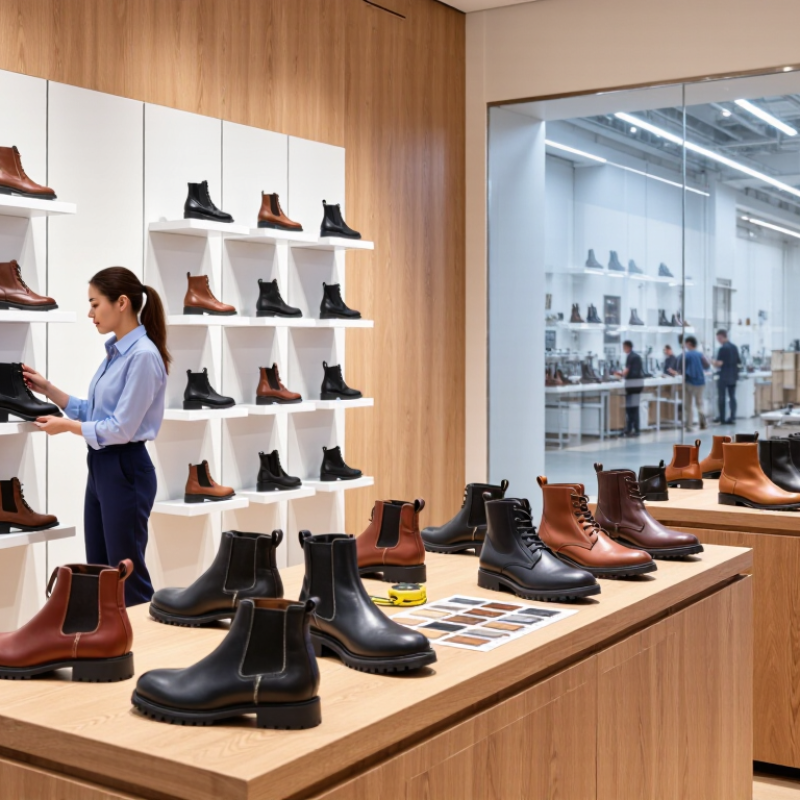
Before contacting suppliers, describe the boots your customers actually need. A retailer serving outdoor workers may require waterproof uppers, reinforced toes, and durable outsoles. A fashion shop may prioritize ankle height, color choices, and lighter materials. Write down key details, such as lining, closure type, size range, and seasonal use. Specific requirements make supplier conversations more productive. Start with use. Avoid choosing features just because they sound impressive; each one can affect price, fit, and production time.

Then identify your target customers and realistic order volumes. Consider their typical budget, preferred sizes, and where they will wear the boots. Estimate a first order using past sales, customer interest, or a small market test. Ask suppliers about minimum order quantities, sample availability, size-run flexibility, and repeat-order lead times. A low quoted price may not help if the required quantity exceeds your storage capacity. Forecasts are imperfect. Leave room to revise them.

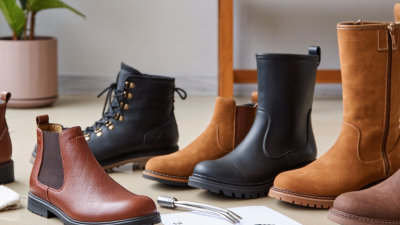
Tips: Share a simple product brief and a size breakdown when requesting quotes. Compare samples for stitching, sole grip, material feel, and consistent sizing. Record any defects and ask how the supplier handles replacements. Small tests help. If your expected volume is uncertain, ask whether a trial order or staged production is possible. Clear, written expectations reduce avoidable surprises for both sides.
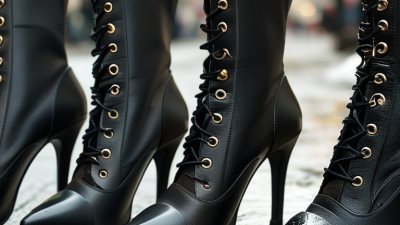
Check Safety Boots Against ISO 20345:2022’s 200 J Impact Requirement

A dependable boot supplier should prove that each safety-toe model meets ISO 20345:2022, not merely describe it as “industrial grade.” The standard requires the protective toe cap to withstand a 200 J impact. Ask for the model-specific test report, certificate, and product identification matching the boots you plan to order. Check the test date and issuing laboratory; a certificate for a similar-looking model is not enough. Small detail. Big consequence.

The International Labour Organization’s 2023 report, A Call for Safer and Healthier Working Environments, estimates nearly three million work-related deaths and 395 million non-fatal work injuries worldwide each year. Those figures are not specific to foot injuries, but they underline why protective equipment claims deserve scrutiny. Before placing a bulk order, inspect a sample pair: check toe-cap markings, stitching, sole attachment, and fit with the socks workers actually wear. Ask how the supplier controls production changes and handles failed batches. Paperwork can look convincing. It may still leave practical questions unanswered, so request traceable records and clarify what happens if delivered boots differ from the tested model.

Verify Materials and Construction Through ISO 20344 Test Reports

A supplier’s claim of “tested materials” is not enough. Ask for the ISO 20344 test report for the exact boot model you plan to buy. The standard describes test methods for footwear, so read the results alongside the product’s stated performance requirements. Check the model code, sample size, test date, and laboratory details. Small discrepancies matter.

Look for results relevant to your use, such as sole abrasion, flexing, water resistance, or upper strength. Not every test applies to every boot. Ask the supplier to explain any omitted test and provide supporting records where appropriate. A missing page is a reason to pause, not necessarily a reason to reject the supplier. The report should identify the materials tested, including the outsole and upper, rather than relying on broad claims about “premium leather” or “durable rubber.” Read carefully.

Reports describe tested samples, not automatically every pair from future production. Request a current sample and compare its stitching, sole bonding, lining, and material feel with the report and product specification. For instance, flex the forefoot and inspect the bond near the toe. Ask how the supplier controls changes in materials or factories. Documents help, but they are not the whole picture. I would also record unanswered questions; it is easy to overlook them when a sample looks convincing.

How to Find the Best Boots Shoe Supplier for Your Business? - Verify Materials and Construction Through ISO 20344 Test Reports

Use this checklist to review boot and footwear supplier evidence. ISO 20344 specifies footwear test methods; product requirements and acceptance limits should be checked against the applicable footwear standard, product category, and purchase specification.

Review dimension What to verify in the report Useful evidence or data to record Supplier review outcome
Report identity and scope Confirm the report identifies the tested footwear, the test methods, the applicable ISO 20344 edition, and the test dates. Report number; issue date; standard edition; model or sample code; tested size; laboratory details. Accept for review only when the sample and scope are clearly identified.
Sample traceability Check that the tested sample matches the proposed production design, bill of materials, and construction. Sample receipt date; model and size; material descriptions; photos or sample identification; supplier confirmation of production equivalence. Request clarification if the tested sample differs from the order specification.
Upper and lining materials Review relevant material tests, such as thickness, tear strength, water-vapour properties, or water absorption, where applicable to the material and product specification. Material identification; test method; measured result and unit; conditioning details; specified acceptance limit, if applicable. Compare results with the purchase specification and relevant product requirements.
Outsole material and durability Look for applicable outsole tests, such as abrasion resistance and flexing resistance. Confirm the tested outsole compound corresponds to the offered boot. Outsole material or compound identification; test method; measured wear or flex result; specimen details; applicable limit. Check that results meet the relevant product standard or buyer-defined requirement.
Sole-to-upper construction Review the applicable sole bond or attachment test and confirm the test identifies the footwear construction and failure mode where reported. Bond strength result; unit; test location; observed failure mode; construction description; acceptance criterion. Investigate low or inconsistent results and request corrective-action evidence when needed.
Water resistance If water resistance is required, check whether the report tests the complete footwear or only a material. Do not treat a material test as proof that the finished boot is waterproof. Test method and setup; duration or test conditions; water ingress or penetration observations; sample configuration; stated performance requirement. Match the test scope to the intended use and the exact water-resistance claim.
Protective components For protective boots, verify that toe protection, penetration resistance, or other protective features are tested when required by the product specification. Component type; test method; measured result; sample size; applicable product category and acceptance requirement. Confirm the applicable product standard, such as ISO 20345 for safety footwear, separately from the test-method standard.
Slip resistance and intended use Where slip performance is claimed or required, verify the applicable test conditions and product-standard requirements. Performance depends on the specified test surfaces and conditions. Test method; surface and contaminant conditions; reported results; footwear configuration; relevant product requirement. Avoid comparing results from different test conditions as if they were equivalent.
Chemical and electrical properties For products where applicable, review chemical tests such as pH or chromium VI in leather, and electrical tests for footwear with electrical-performance claims. Material tested; test method; result and unit; applicable limit; product claim being assessed. Request only tests relevant to the materials, market, and intended product claims.
Laboratory and report completeness Check that results, units, methods, sample details, and any deviations are legible and complete. Confirm laboratory competence for the tests performed. Laboratory name; accreditation details and scope, if applicable; authorized sign-off; report pages; deviations or exclusions. Verify accreditation scope for the specific test rather than relying on accreditation status alone.
Final supplier decision Assess whether the evidence is current, relevant to the production item, and sufficient for the intended market and use. Open gaps; required retests; corrective actions; approval status; review date. Approve, approve with conditions, or request further evidence.

Note: ISO 20344 provides test methods; it does not by itself establish every product’s pass/fail limits or certify a supplier. Confirm requirements against the applicable product standard, market rules, and written purchase specification.

Compare Supplier Capacity, Lead Times, MOQ, and ISO 2859-1 AQL Plans

A reliable boots supplier should show capacity with recent production records, not just a large monthly figure. Ask how many lines can make your construction and size range, and what peak-season orders already occupy them. Request a sample production schedule. It should identify material arrival, stitching, lasting, finishing, and final inspection dates. Compare those dates with your launch plan, then add time for shipment and possible rework. Lead times can slip. A supplier that gives one fixed date without explaining its assumptions deserves a closer check.

Minimum order quantity affects cash flow and size availability. Ask whether the MOQ applies to the whole style, each color, or each size run. A low headline MOQ may still require uneven size quantities that leave popular sizes short. Get the breakdown in writing. For quality checks, agree on an ISO 2859-1 sampling plan before production starts. Specify the inspection level, lot size, AQL values for critical, major, and minor defects, and acceptance and rejection numbers. AQL sampling evaluates a lot; it does not promise that every pair is defect-free. One thing buyers can miss is matching the inspection lot to the actual shipment. Confirm that the supplier’s records, defect definitions, and inspection timing match your plan.

Using ISO 2859-1 AQL Plans to Evaluate Boot Suppliers

Example single-sampling plans for normal inspection, General Inspection Level II, and AQL 2.5. Compare the sample size with the acceptance and rejection numbers for each lot-size range.

Use these inspection-plan figures alongside supplier capacity, quoted lead times, and minimum order quantities when comparing suppliers. Confirm the applicable plan and inspection requirements in your purchase agreement; AQL is not a guarantee that every lot will meet a specific defect rate.

Audit Compliance, Traceability, and Landed Costs Before Signing a Contract

How to Find the Best Boots Shoe Supplier for Your Business?

A polished sample tells only part of the story. Before signing, review the supplier’s compliance records for your product type and sales markets. Ask for current test reports, material specifications, and a clear process for addressing failed checks. Confirm that the factory named in the paperwork is the factory making your boots. Small mismatch, big headache.

Traceability should work beyond a neat spreadsheet. Request batch records that connect leather, soles, and production dates to finished pairs. Ask how quickly the supplier can identify affected orders if a material issue appears. You may not need every document on day one, but vague answers deserve follow-up. Compare landed costs, not just unit prices: include packaging, freight, insurance, duties, inspection, and likely storage fees. Put assumptions in writing. A low quote can become less attractive once delays and rework enter the picture.

Tips: Request a sample audit trail for one production batch. Price the same order under identical shipping terms. I’d also leave room for uncertainty; estimates are estimates, and my own cost forecasts have missed details. Better to revise them early than argue later.