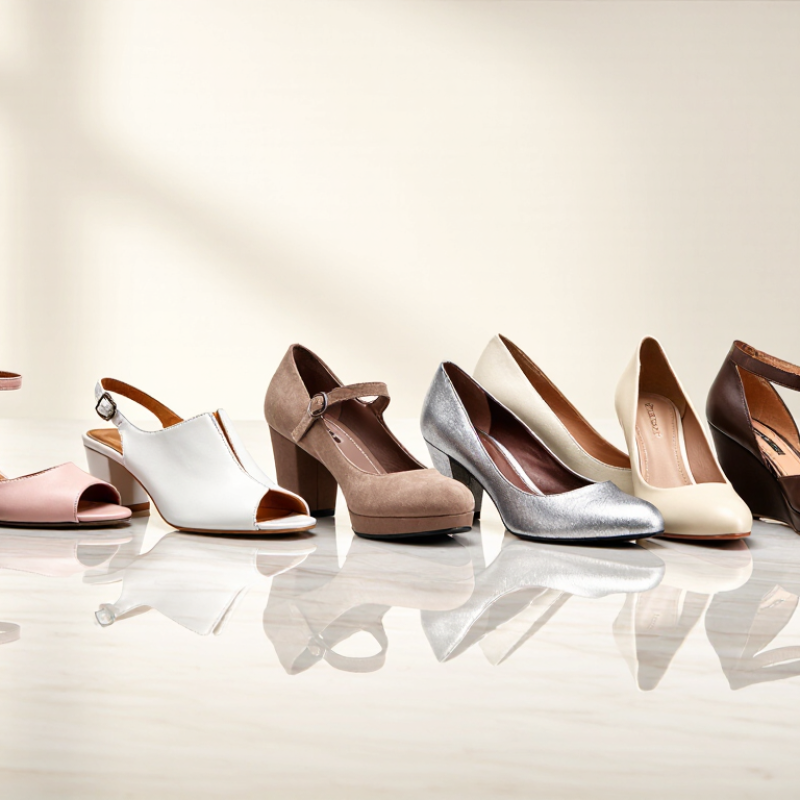
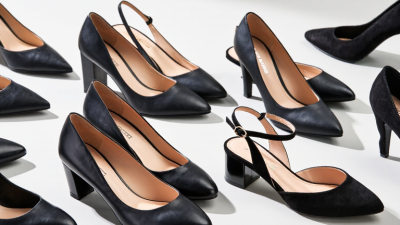
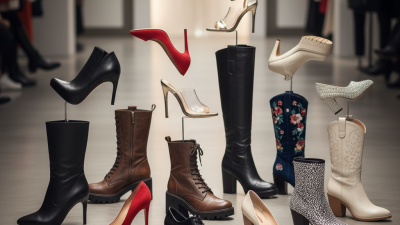
Finding Womens Heels that look elegant and feel wearable can be surprisingly difficult. A polished silhouette may hide a narrow toe box, stiff leather, or an unstable heel. Comfort depends on more than appearance.
This guide examines ten pairs selected for practical style and everyday support. Each option is considered through heel height, cushioning, materials, fit, stability, and walking demands. Details such as padded insoles, secure straps, flexible uppers, and balanced heel placement can make a noticeable difference after several hours.
Real-world use matters. A shoe that feels comfortable for dinner may fail during commuting or standing at an event. Some heels suit wider feet, while others work better with slim profiles. No pair fits everyone. That limitation deserves attention.
The recommendations also consider construction quality and care requirements. Genuine material information, dependable sizing guidance, and transparent retailer policies improve buying confidence. Still, product details can change, and personal fit should remain the final test.
Expect useful options for office outfits, weddings, travel days, and relaxed evenings. Some choices favor classic lines. Others offer softer cushioning or a more forgiving fit. A few may sacrifice a little height for better balance.
Comfort is personal.
The strongest Womens Heels combine visual appeal with sensible support. This selection aims to make that decision clearer, while acknowledging that style preferences and foot needs are never identical.
Choosing the 10 best women’s heels requires more than judging color, height, or shine. Comfort begins with foot health. APMA guidance encourages attention to proper fit, stable construction, and reduced pressure on sensitive areas. Its Seal of Acceptance can support evaluation, but it does not guarantee comfort for every wearer.
SATRA footwear testing adds measurable evidence. Testing may examine flexing, slip resistance, sole durability, heel attachment, and upper performance. These details matter during a long dinner or a crowded commute. A stable heel should feel secure, not wobble when the foot rolls forward. The toe box should leave room for natural movement. Small details matter.
A useful review should include real wear conditions. Walk on hard floors, climb stairs, and stand for several hours. Check for rubbing near the heel and pressure beneath the toes. My fitting notes would not be perfectly objective. Foot shape, arch height, and tolerance differ widely. That limitation deserves honesty. A shoe can pass testing and still feel wrong on one person’s foot. Shorter heels often reduce strain, but style preferences remain personal. Comfort is evidence-based, yet never entirely universal.
10 Best Womens Heels for Comfort and Style
Comfortable heels are not chosen by height alone. Heel height, toe shape, and pitch change how pressure moves across the foot. A seven-centimeter heel with a gentle pitch may feel better than a shorter shoe with a sharply raised forefoot. The heel lifts the body, while the pitch determines how much weight shifts toward the ball of the foot. That pressure can create burning, numbness, or soreness beneath the metatarsal bones.
Toe shape matters just as much. Pointed toes squeeze the big and second toes, especially when the foot slides forward. Rounded or almond-shaped toes usually allow more natural movement. During professional fittings, pressure-mapping tests often reveal uncomfortable spots that feel harmless at first. I once judged a heel by its soft padding, but that was incomplete. Cushioning can hide pressure without correcting poor alignment. A stable heel, flexible forefoot, and secure fit often matter more than thick lining.
Tips: Try heels late in the day, when feet are slightly swollen. Stand for five minutes and check for sliding, pinching, or tingling. Leave about one centimeter of space beyond the longest toe. Test both shoes, because foot size can differ. Wear them indoors first. Persistent pain deserves assessment from a qualified podiatrist, especially when symptoms continue after removing the shoes.
Comfortable heels are not defined by softness alone. Fit must hold the heel without pinching the toes. A practical check is simple: walk, stop, and gently slide one finger behind the heel. Excess movement signals instability. Crowded toes suggest poor sizing. The American Podiatric Medical Association’s 2014 Women and Foot Health Survey reported that 71% of women had experienced foot pain. That figure makes fit more than a style preference.
Cushioning should support, not hide structural problems. Look for shock-absorbing insoles, flexible forefoot areas, and materials that allow limited breathability. Leather, textile, and synthetic uppers perform differently, so inspect seams around the little toe. They can create pressure during long wear. Stability also depends on heel width, outsole grip, and balanced weight distribution. ASTM F2913 evaluates footwear slip resistance, while ISO 20344 provides standardized footwear test methods. These standards cannot measure personal comfort, but they improve comparison.
Test the shoes on hard floors and stairs. Notice whether the ankle rolls outward. Short trial periods can mislead. A shoe may feel luxurious for ten minutes, then become painful after an hour. I would also question very soft padding; it may compress quickly and reduce support. Comfort is partly subjective, and no industry measurement captures every foot shape. That limitation deserves honesty.
| Rank | Heel Profile | Typical Heel Height | Fit Characteristics | Cushioning Features | Common Materials | Stability Factors | Comfort Score (10-point) |
Style Versatility | Reference Checks |
|---|---|---|---|---|---|---|---|---|---|
| 1 | Low Block-Heel Pump | 1.5–2.0 in (3.8–5.1 cm) |
Rounded or almond toe; moderate forefoot volume; adjustable fit is preferable for average-width feet. | 3–5 mm foam or padded sockliner; lightly cushioned heel collar. | Leather, microfiber, or textile upper; leather or synthetic lining; rubber outsole. | Broad heel base, centered heel placement, and low pitch reduce forward foot pressure. | 9.1/10 | Office, commuting, interviews, and smart-casual outfits. | Check length and width against ISO 19407 size-conversion guidance; verify secure heel attachment and slip-resistant outsole testing. |
| 2 | Kitten-Heel Slingback | 1.5–2.25 in (3.8–5.7 cm) |
Open heel can accommodate slight heel-width variation; adjustable strap helps prevent heel lift. | Contoured footbed with forefoot padding; soft topline reduces rubbing. | Soft leather or synthetic microfiber; flexible rubber or leather-rubber outsole. | Low heel height, secure slingback strap, and moderate outsole flexibility support easy walking. | 8.8/10 | Day-to-evening wear, dresses, tailoring, and formal separates. | Confirm strap adjustment and toe clearance; use ISO 9407 Mondopoint principles when comparing foot dimensions. |
| 3 | Platform Block-Heel Sandal | 3.0–4.0 in heel with 0.75–1.25 in platform |
Open construction suits average-to-wide forefeet when straps do not cross pressure-sensitive areas. | Foam-padded footbed; platform reduces the effective heel-to-toe incline. | Leather, textile, or synthetic upper; molded EVA or rubber platform; rubber outsole. | Wide heel, stable platform, and adjustable ankle strap improve load distribution. | 8.5/10 | Summer events, resort dressing, weddings, and evening wear. | Inspect strap anchoring, platform flex, and outsole traction; no safety-footwear certification is implied. |
| 4 | Contoured Wedge | 2.5–3.75 in (6.4–9.5 cm) |
Typically offers more lateral room than a narrow pump; enclosed or adjustable uppers provide better retention. | Full-length molded footbed; moderate shock absorption from EVA or polyurethane. | Canvas, leather, microfiber, cork, EVA, or polyurethane components. | Full-width heel contact and continuous sole support reduce side-to-side wobble. | 8.4/10 | Casual dresses, travel outfits, warm-weather tailoring, and daytime events. | Evaluate outsole grip and torsional rigidity; compare measured foot length with the maker’s stated sizing system. |
| 5 | Low-Heel Ankle Boot | 1.5–2.5 in (3.8–6.4 cm) |
Enclosed upper offers strong foot retention; choose a rounded toe and sufficient instep volume for all-day use. | Removable or fixed foam footbed; padded collar and textile lining improve pressure management. | Leather, suede, microfiber, or coated textile; rubber outsole; textile or leather lining. | Ankle coverage, firm heel counter, and broad heel provide good control on uneven surfaces. | 8.3/10 | Workwear, travel, denim, trousers, and transitional seasons. | Check heel-counter firmness, outsole flex point, and water-resistance claims; ISO 20344 applies only where safety-footwear requirements are stated. |
| 6 | Comfort-Fit Mary Jane | 1.75–2.75 in (4.4–7.0 cm) |
Adjustable instep strap helps secure the foot; round or square toe is generally more forgiving than a sharply pointed toe. | Lightly padded insole, cushioned tongue or vamp, and flexible forefoot insert. | Leather, synthetic leather, or microfiber; rubber outsole; textile lining. | Instep strap limits forward sliding; low-to-medium heel and broad base improve balance. | 8.2/10 | Professional outfits, uniforms, vintage-inspired looks, and everyday dresses. | Check strap placement, toe-box width, and outsole slip performance under applicable regional test methods. |
| 7 | Mid-Heel Court Shoe | 2.5–3.0 in (6.4–7.6 cm) |
Almond or rounded toe is preferable; a firm heel counter and moderate instep volume improve retention. | Foam or latex-padded sockliner; cushioning concentrated beneath the heel and forefoot. | Leather, microfiber, or textile upper; leather, synthetic, or rubber outsole. | Centered heel, moderate heel width, and non-collapsible counter support controlled movement. | 7.9/10 | Business attire, ceremonies, presentations, and polished evening outfits. | Assess heel attachment, outsole traction, and pressure at the metatarsal area; verify size using consistent measurement units. |
| 8 | Wide-Base Heeled Loafer | 1.5–2.5 in (3.8–6.4 cm) |
Roomier vamp and structured upper suit average-to-wide feet; avoid excessive volume if the heel slips. | Contoured foam footbed with arch-support shaping; padded instep lining. | Leather, suede, microfiber, or synthetic upper; rubber or synthetic outsole. | Broad heel, enclosed vamp, firm counter, and heavier outsole create a stable platform. | 7.8/10 | Office wear, trousers, smart-casual looks, and autumn styling. | Check flex location, upper crease pressure, and traction; use standardized foot-length and width measurements when comparing sizes. |
| 9 | Strappy Mid-Heel Sandal | 2.5–3.25 in (6.4–8.3 cm) |
Best with adjustable straps and adequate space between straps; less suitable when straps compress the forefoot. | Padded footbed with forefoot cushioning; soft strap backing can reduce friction. | Leather, microfiber, textile, or synthetic upper; rubber, EVA, or leather outsole. | Ankle strap, moderate heel width, and multiple adjustment points improve security. | 7.7/10 | Occasions, summer dinners, formal celebrations, and evening outfits. | Inspect strap edges, buckle security, outsole grip, and footbed compression after repeated wear. |
| 10 | Classic High Heel with Platform | 4.0–5.0 in heel with 0.5–1.0 in platform |
Requires accurate length and toe-box fit; a rounded or almond toe is generally more comfortable than a narrow pointed toe. | Thin foam or gel insert; platform moderates the effective incline but does not remove forefoot loading. | Leather, microfiber, satin, or synthetic upper; rubber or leather outsole. | Platform, stable heel attachment, and moderate heel width improve control, but the higher center of gravity reduces walking stability. | 6.9/10 | Formal events, evening wear, stage styling, and statement outfits. | Check heel attachment, platform integrity, toe pressure, and outsole traction; fashion footwear should not be treated as protective safety footwear. |

Evaluation note: Scores represent a comparative assessment of generic heel constructions rather than claims about any specific product. Comfort depends on foot shape, walking conditions, wear duration, and accurate fitting.
Standards note: ISO 19407 and ISO 9407 provide footwear sizing and size-conversion references. Safety-footwear standards such as ISO 20344 should not be assumed to apply to ordinary fashion heels unless the footwear is specifically tested and certified for that purpose.
Choosing comfortable heels is less about height alone and more about pressure, balance, and fit. The American Podiatric Medical Association reported that 77% of women had experienced foot pain in its consumer survey. That figure makes comfort a serious buying measure, not a luxury.
Among ten common styles, low pumps and kitten heels offer the easiest daily support. Block heels feel steadier on hard floors, while wedges distribute pressure more evenly. Square-toe heels allow better toe movement. Ankle-strap heels improve security, but tight straps can irritate swollen feet. Slingbacks look light and elegant, yet they may slip during long walks. Platforms reduce the angle under the foot, though their stiff soles can limit natural movement. Pointed-toe pumps look polished but often compress the forefoot. Tall stilettos create the greatest balance challenge. Their style is striking. Their comfort is usually limited. A 2016 systematic review in BMC Public Health linked high-heel use with greater risks of pain, instability, and lower-limb problems.
Durability depends on more than leather or appearance. Check heel attachment, sole flexibility, stitching, and whether the inner lining creases after bending. A reinforced heel counter can improve support. Cushioning helps, but soft padding cannot fix a poor fit. My practical ranking favors block heels, low pumps, wedges, and square-toe designs for repeated wear. Kitten heels and slingbacks work for shorter occasions. Platforms and stilettos suit controlled settings, not uneven pavement. This judgment is imperfect. Foot shape, walking habits, and swelling can change the result completely. Try both shoes late in the day, when feet are largest. Walk on a firm surface for several minutes. Pain is useful information.
The best women’s heels balance appearance with support, especially when work, events, and walking fill the same day. I look for a stable heel, a cushioned insole, and enough room for the toes to move. A moderate heel often feels steadier than a very high one. However, comfort still depends on foot shape, not only height.
For office wear, choose a secure back and a heel that does not force your weight sharply forward. For events, soft materials and light padding can reduce rubbing during long standing. Walking needs a firm sole, practical traction, and a fit that holds the heel without squeezing it. Wide feet may need a broader toe box, while narrow feet often need adjustable straps. Test both shoes late in the day, when feet are slightly swollen. I once chose a beautiful pair too quickly and regretted it before dinner ended.
Tips: Walk on a clean floor for several minutes before wearing heels outside. Check for slipping, pinching, or pressure under the ball of the foot. Use low-profile cushions only when they do not make the shoe tight. Break heels in gradually at home. If pain remains, stop wearing them and seek advice from a qualified podiatrist. No heel is comfortable for everyone. That is worth remembering.