Top Heels and Boots for Global Buyers in 2026?
As we step into 2026, the "Heels And Boots" industry is evolving rapidly. Industry expert Jane Smith, a well-known fashion analyst, emphasizes that "quality and design will outshine trends." This insight reflects the significant shift towards timeless style and lasting craftsmanship.
Today, buyers are more discerning. They seek unique designs that make a statement. Fashion-forward consumers are leaning towards brands that offer sustainability and comfort. The rise of eco-friendly materials is marking a pivotal change. However, not all brands are keeping pace with these expectations. There is still a gap in delivering both elegance and responsibility.
Yet, the future of "Heels And Boots" is bright, albeit challenging. The market is flooded with options. Consumers can easily get overwhelmed. With innovation, brands must remember that reliability matters. Crafting a lasting impression in the minds of buyers is essential. Fashion must not only reflect style; it should also embody values. This balance will define the success of the "Heels And Boots" sector in the years to come.
Top Fashion Trends Influencing Heels and Boots Sales in 2026
The year 2026 is set to be a vibrant time for heels and boots, driven by emerging fashion trends. Sustainability will continue to play a pivotal role. Consumers are increasingly seeking eco-friendly materials and ethical production practices. This shift is reshaping how brands approach design, pushing them toward innovative, sustainable solutions.
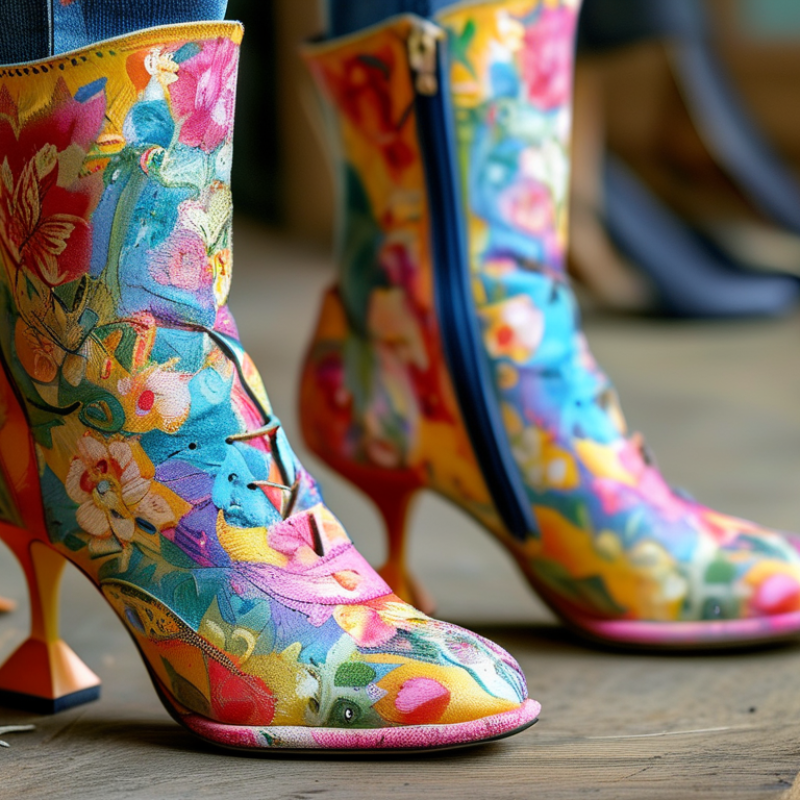
Street style remains influential. The blend of comfort and style has become essential. Chunky heels and platform boots offer both support and fashion-forward aesthetics. These designs cater to consumers who prioritize functionality without sacrificing style. Layering and unique color palettes will dominate, allowing for individuality in every outfit.
When shopping for heels or boots, consider versatility. Aim for styles that transition seamlessly from day to night. Additionally, don't shy away from experimenting with unusual textures and patterns. Thoughtful choices can enhance a wardrobe. Reflect on your personal style and choose pieces that resonate with you.
Market Analysis: Projected Growth of Footwear Industry by 2026
The global footwear industry is poised for remarkable growth by 2026. According to recent reports, the market is expected to reach approximately $530 billion. Rising disposable incomes and a growing appetite for fashion are key drivers. Consumers are increasingly investing in high-quality, stylish footwear. The demand for comfort alongside aesthetics places significant pressure on manufacturers.
Moreover, specific segments like heels and boots are forecasted to outperform others. A projected annual growth rate of 6% highlights a shift in consumer preferences. Buyers are gravitating toward versatile designs that cater to both casual and formal settings. Eco-friendly production methods are becoming essential as sustainability trends continue to influence purchasing decisions. Yet, the industry faces challenges, such as supply chain disruptions and fluctuating raw material costs.
In terms of consumer behavior, a study shows that 70% of buyers prioritize brand reputation when choosing footwear. This indicates a need for brands to enhance transparency and reliability. Young consumers, especially, are more informed and demand accountability. A fashion-forward yet responsible approach could help brands navigate this competitive landscape. The landscape is evolving, and adaptability will be crucial for success.
Sustainable Materials: The Shift Towards Eco-Friendly Shoe Production
Sustainable fashion is more than a trend; it’s a necessity. As global buyers in 2026 search for stylish heels and boots, eco-friendly materials are at the forefront. Consumers are now aware of the environmental impact of their choices. The shoe industry is responding by utilizing materials like recycled plastics, organic cotton, and plant-based leathers. This shift reflects a larger movement toward sustainable practices in fashion.
Choosing sustainable shoes can feel overwhelming. One key tip is to research brands that are transparent about their materials. Look for certifications that indicate environmental responsibility. Another tip is to prioritize quality over quantity. Investing in well-made shoes means they will last longer, reducing waste.
It’s essential to recognize the imperfections in this journey. Not every eco-friendly shoe is made equally. Some may still depend on harmful production processes. Buyers should question the sourcing and lifecycle of the shoes they choose. The aim is to find a balance between style, ethics, and comfort as we stride into a greener future.
Top Heels and Boots for Global Buyers in 2026? - Sustainable Materials: The Shift Towards Eco-Friendly Shoe Production
| Shoe Type |
Material |
Sustainability Rating |
Price Range (USD) |
Market Demand (Forecasted) |
| Ankle Boots |
Recycled Leather |
4.5/5 |
150 - 250 |
High |
| Stiletto Heels |
Organic Cotton |
4.0/5 |
100 - 200 |
Medium |
| Combat Boots |
Natural Rubber |
4.8/5 |
120 - 220 |
High |
| Knee-High Boots |
Bamboo Fiber |
4.2/5 |
160 - 300 |
Medium |
| Platform Heels |
Recycled Textiles |
4.6/5 |
90 - 180 |
High |
Key Demographics: Who is Buying Heels and Boots Globally?
The global market for heels and boots is constantly evolving. Key demographics include young professionals, fashion enthusiasts, and older consumers seeking comfort. Women, particularly those aged 25-40, dominate the market due to their interest in style and functionality. However, men are increasingly embracing boots, driven by trends and a shift towards gender-inclusive fashion.
Shopping habits reveal intriguing patterns. Many buyers prioritize sustainability over mere aesthetics. Eco-friendly materials and ethical production attract a loyal clientele. Yet, the challenge remains: not all brands are transparent about their sourcing methods. Consumers often find it hard to navigate claims versus reality.
Online platforms play a crucial role in shaping purchasing decisions. Easy access to reviews can enhance trust, but misinformation is rampant. Buyers must discern authentic feedback from promotional fluff. Engaging with community feedback is vital. The conversation is around more than just shoes—it's about values and shared experiences.
Regional Insights: Leading Markets for Heels and Boots in 2026
As we look ahead to 2026, the global market for heels and boots is shifting dramatically. According to a recent industry report, North America is anticipated to dominate sales, expected to reach over $14 billion in revenue. However, Asia-Pacific is catching up quickly, with a projected growth rate of 6.5% annually. This growth speaks volumes about changing consumer preferences and emerging fashion trends in these regions.
European markets are expected to remain strong as well. Many European countries are known for their fashion-forward thinking. Their focus on sustainability is reshaping consumer choices. A substantial 40% of shoppers in Europe prefer eco-friendly products. This underscores a shift toward ethical consumption that is influencing footwear choices. Middle Eastern markets, while currently smaller, are showing remarkable potential. Increased disposable income and a growing interest in luxury items make this region noteworthy for market watchers.
Despite the promising trends, challenges remain. Supply chain disruptions continue to affect availability. Additionally, fluctuating raw material prices complicate production costs. Brands must navigate these hurdles to meet rising consumer demand. As markets evolve, understanding regional nuances will be crucial for global buyers.
Top Heels and Boots for Global Buyers in 2026