Leave Your Message

Top Platform Heels Styles for Wholesale Buyers

For wholesale buyers, platform heels are more than a striking retail display. They must balance height, comfort, durability, and repeatable production. This guide explores the leading platform heel styles shaping current buying decisions. Expect practical notes on silhouettes, materials, sizing, and margin potential. A bold shoe still needs a stable base. That detail often decides whether customers return.

Experienced buyers usually inspect the platform before discussing colorways. They check density, flex, edge finishing, bonding, and heel attachment. A sample worn across hard flooring can reveal movement that photographs hide. In our buying experience, lightweight EVA may reduce fatigue, while rubber outsoles improve traction and perceived quality. However, every material changes cost and factory timing. Platform Heels Heels should therefore be assessed as a complete product, not a decorative trend. Ask for size-set samples, measurement charts, packaging details, and consistent inspection records. Small variations can affect fit across an entire shipment. This is where supplier communication matters. Clear specifications are stronger than attractive promises.

The styles ahead include chunky retro platforms, refined block-heel designs, strappy evening pairs, and versatile everyday options. Each serves a different customer and price position. We will consider wholesale appeal alongside wearability, production risk, and merchandising flexibility. Some conclusions may change by market. That is normal. Fashion moves quickly, and no single forecast stays perfect. Still, careful comparison helps buyers choose collections with clearer value. Look closely at comfort, finish, and dependable delivery. Then judge whether the style earns shelf space.
Top Platform Heels Styles for Wholesale Buyers

Understanding Platform Heel Structures and Key Design Features

Platform heels are built around proportion, not height alone. A typical structure combines an outsole, forefoot platform, heel block, shank, and reinforced heel counter. The platform reduces the angle between the foot and the ground. A 40 mm front platform with an 80 mm heel therefore feels less aggressive than a full 80 mm rise.

Wholesale buyers should inspect the internal build closely. EVA foam can reduce weight, while PU offers stronger compression resistance. Rubber outsoles improve grip on smooth floors. The shank should resist twisting, but it should not make the shoe feel rigid. Press the forefoot, bend the upper, and check whether the heel returns without noise. Small production differences can change comfort. That matters in larger orders.

Market data supports careful category planning. Grand View Research valued the global footwear market at about USD 481.6 billion in 2023 and projects continued growth through 2030. Its report also highlights changing consumer preferences for comfort and functional design. The NPD Group has repeatedly reported that comfort remains a major footwear purchase driver in several mature markets. These figures do not measure platform heels alone, so buyers should avoid overstating them. That assumption deserves testing.

For seasonal collections, square toes, sculpted wedges, and adjustable ankle straps offer clear visual direction. However, excessive decoration can increase sampling costs and weaken size consistency. Review heel balance across several sizes, not only the sample pair. A beautiful silhouette can still fail during extended wear. That is the uncomfortable part.
Exploring Popular Platform Heel Styles for Wholesale Collections

Exploring Popular Platform Heel Styles for Wholesale Collections

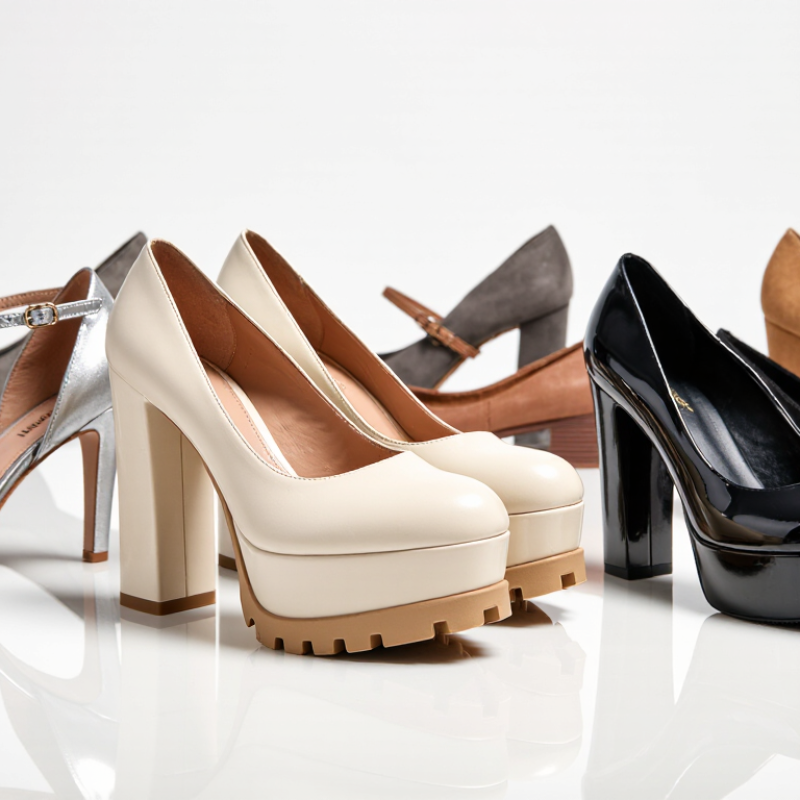
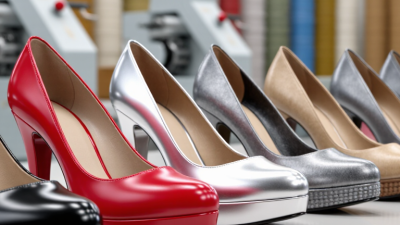
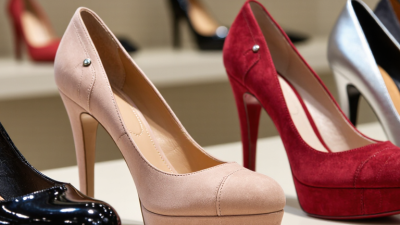
Platform heels give buyers several distinct silhouettes to build around. Chunky block heels offer a broad base and a steadier feel, while ankle-strap styles add visible support. Wedge platforms create a continuous line beneath the foot. Subtle platforms suit customers seeking height without a dramatic profile; thick soles make a bolder display statement. Details matter. Check the platform’s weight, sole flexibility, and strap placement before committing to a size run.

Grand View Research estimated the global footwear market at about USD 412.9 billion in 2023 and projected 4.3% annual growth from 2024 to 2030. This covers footwear broadly, not platform heels alone, but it signals a substantial market for carefully selected collections. For wholesale assortments, consider a balanced mix: neutral block heels for everyday styling, wedges for warm-weather ranges, and one or two statement shapes. Avoid overloading a range with near-identical heights. They can look different on a product sheet, yet feel repetitive on the shop floor.

Review samples on hard flooring and carpet. Ask wear testers about pressure under the forefoot after several hours, not just the first fitting. A beautiful heel can still disappoint. Platform thickness, heel stability, and fit consistency deserve equal attention. Grand View Research’s market estimate is useful context, not a guarantee of demand for any particular style.

Top Platform Heels Styles for Wholesale Buyers - Exploring Popular Platform Heel Styles for Wholesale Collections

Platform Heel Style Typical Heel Height Platform Profile Common Materials Typical Design Details Suitable Uses Wholesale Collection Notes
Platform Sandals 5–10 cm (2–4 in) Full-length or forefoot platform Leather, synthetic leather, textile, rubber Open toe, ankle strap, buckle or hook-and-loop closure Warm-weather outfits, casual events, holiday wear Consider adjustable straps and a range of neutral and seasonal colors.
Platform Pumps 7–12 cm (2.75–4.75 in) Usually a forefoot platform paired with a high heel Leather, synthetic leather, suede, textile Closed toe, pointed or rounded toe, slip-on construction Evening wear, celebrations, dress occasions Offer classic toe shapes alongside statement finishes to suit different assortments.
Platform Mary Janes 4–8 cm (1.5–3 in) Moderate forefoot platform with block heel Leather, synthetic leather, patent-finish materials Instep strap with buckle or adjustable fastening Everyday fashion, work-to-evening looks, retro-inspired outfits Strap adjustability and a stable heel can broaden fit and styling options.
Platform Loafers 3–7 cm (1.25–2.75 in) Thick, often flat or gently raised sole Leather, synthetic leather, suede, rubber Slip-on upper, optional saddle strap or chain detail Smart-casual wear, commuting, everyday outfits Useful for collections seeking a closed-toe option with a lower heel profile.
Platform Ankle Boots 5–10 cm (2–4 in) Full or forefoot platform, commonly with block heel Leather, synthetic leather, suede, rubber Ankle-height shaft, side zip or lace-up fastening Cool-weather outfits, casual wear, evening styling Check shaft opening, lining, and outsole grip when planning seasonal assortments.
Platform Wedges 5–11 cm (2–4.25 in) Continuous wedge from heel toward the forefoot Leather, textile, cork, molded synthetic materials Espadrille-style trim, ankle strap, open or closed toe Spring and summer outfits, casual events, resort wear Natural-look trims and versatile strap designs can complement warm-weather ranges.
Platform Mules 4–9 cm (1.5–3.5 in) Forefoot platform with block, wedge, or flared heel Leather, synthetic leather, suede, textile Backless slip-on design; open or closed toe Casual outings, indoor-to-outdoor styling, warm-weather wear Toe coverage and upper construction are useful points of variation within a range.
Chunky Platform Sandals 4–8 cm (1.5–3 in) Thick molded sole with a broad heel Rubber, EVA, synthetic leather, textile Wide straps, molded footbed, adjustable closures Casual wear, travel, outdoor leisure Review outsole traction, sole flexibility, and strap placement for practical wear.

Heel heights and construction details are typical design ranges; specifications vary by style and manufacturer.

Comparing Materials, Heights, Shapes, and Comfort Features

Top Platform Heels Styles for Wholesale Buyers

When comparing platform heels, material choices shape both appearance and daily wear. Smooth synthetic uppers are easy to wipe clean and offer consistent color across larger orders. Suede-like finishes feel softer, but dust and moisture show more quickly. Ask for samples before selecting a finish; photos can hide texture differences. That small step can prevent disappointing stock.

Height affects balance as much as style. A moderate platform paired with a stable block heel often feels easier to walk in than a steep, narrow design. Wedge shapes spread weight across the sole, while chunky heels provide a distinct, structured look. Still, comfort depends on more than heel height. Check the toe-box width, footbed padding, and grip under the outsole.

Details matter. A cushioned lining can reduce rubbing around the heel, and a gently contoured footbed may feel supportive during longer wear. But “comfortable” is not one-size-fits-all. Test several sizes and walk on hard flooring, not just carpet. For wholesale selection, compare construction across colorways, too. Sometimes one version feels firmer than another, and that deserves a closer look.

Evaluating Market Trends, Customer Preferences, and Seasonal Demand

Wholesale buyers evaluating platform heels should look beyond runway visibility. Track sell-through by heel height, toe shape, and material, then compare those figures with customer questions and returns. Chunky platforms often appeal to shoppers seeking a bold look, while moderate heights may suit longer wear. Both preferences vary by region and customer age, so avoid treating one season’s orders as a permanent trend.

Seasonal demand shifts with weather and occasion. In spring, lighter colors and open-toe designs may gain attention; cooler months can favor closed toes, darker shades, and textured uppers. Check local sales data before committing. A small test order can reveal whether customers prefer a stable block heel or a more dramatic silhouette. Useful details include platform thickness, sole grip, fastening comfort, and how the shoe feels after several hours. Ask buyers to inspect samples in person. Photos can hide stiff straps.

Forecasts are never exact. We may overestimate a trend when social attention rises quickly, and that deserves a second look. Balance fashion-forward styles with practical options, and review stock weekly during peak periods. Keep size runs flexible where possible. A few carefully chosen styles can serve more customers than a wide assortment with uneven demand.

Selecting Wholesale Platform Heels for Quality, Pricing, and Versatility

Top Platform Heels Styles for Wholesale Buyers

Selecting wholesale platform heels takes more than choosing a popular silhouette. Buyers should check how the heel, platform, and upper work together. A stable design feels balanced when worn, while a secure strap can help keep the foot in place. Inspect stitching, sole attachment, and lining on sample pairs. Small flaws matter. A slightly uneven edge may become more noticeable across a large order.

Pricing should reflect materials, construction, size range, and expected wear. Compare samples under consistent conditions, and ask suppliers how they handle sizing variation between batches. For versatility, consider neutral shades, wearable platform heights, and styles that suit both casual outfits and dressier looks. Yet a versatile style is not automatically a strong seller. Local customer preferences still matter.

Tips: Request a size run before placing a bulk order. Try pairs on different foot shapes, and check comfort after a short walk. Review the quoted price alongside packaging, lead time, and quality checks. Keep notes. One overlooked detail can complicate a reorder.