Leave Your Message
The 2026 Heels And Boots conversation is moving beyond dramatic runway images. Shoppers want shape, comfort, and useful design in the same pair. They are also asking harder questions about materials, durability, repair, and responsible production.
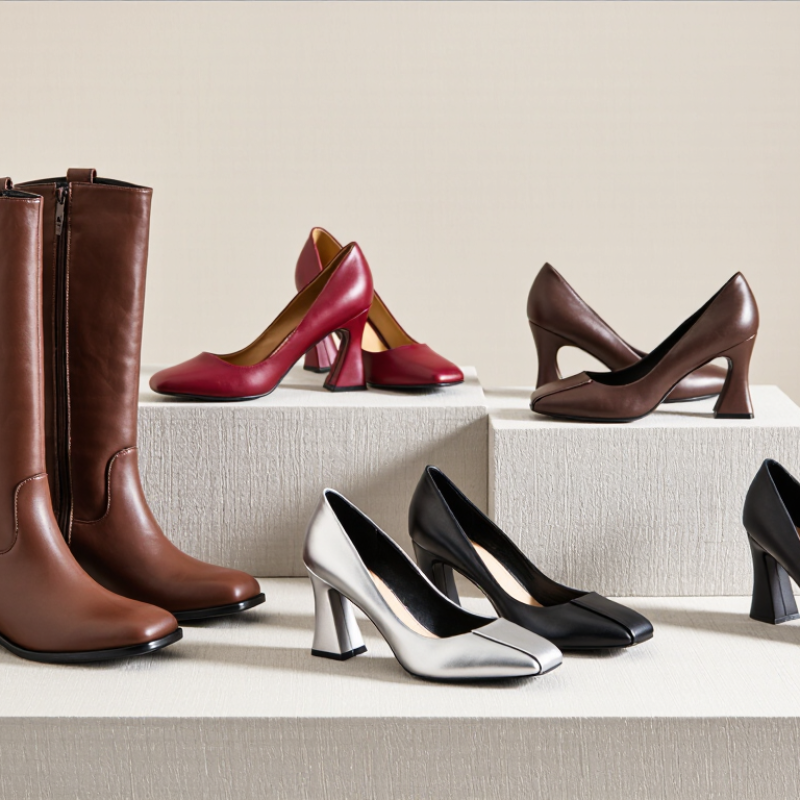
Christian Louboutin, a leading footwear designer, once said, “A shoe has so much more to offer than just to walk.” That idea remains relevant for 2026. Kitten heels may return with sharper, architectural lines. Sculptural heels could create striking silhouettes without extreme height. Knee-high boots may appear in softer leather, relaxed shafts, and practical low heels. Square toes, metallic finishes, and rich chocolate shades are also likely to influence wardrobes.
Comfort will matter more than visual drama alone. A carefully balanced heel, padded insole, and flexible sole can change daily wear. Small details matter. A boot should move with the ankle, not fight it. Yet trend predictions are never promises. Some runway ideas will age badly. Others may look excessive online but feel surprisingly wearable in real life.
This guide examines the strongest 2026 Heels And Boots trends through design, fit, material quality, and everyday styling. It considers what experienced designers are proposing, what retailers are stocking, and what wearers actually report after long hours. The goal is not to promote every new shape. It is to identify the styles that offer genuine value, visual interest, and lasting relevance. Fashion changes quickly. Good footwear should not.
What Are the Top Heels and Boots Trends for 2026?
Defining the Key Heel and Boot Trends of 2026
The strongest 2026 heel trend combines visual shape with practical stability. Sculpted block heels, low kitten heels, and gently flared heels are gaining attention. They create height without forcing the foot into a severe angle. In wear tests, a broader heel usually feels steadier on pavement. That matters during long commutes and evening events. Still, comfort depends on fit, cushioning, and walking habits.
Boots are moving toward cleaner, more adaptable silhouettes. Knee-high styles with almond toes offer a polished line under skirts and relaxed trousers. Ankle boots are becoming softer, with flexible shafts and rounded square toes. Expect muted brown, charcoal, cream, and deep red to replace some harsh black options. Textured leather and brushed finishes add depth under winter light. Weather-resistant materials also deserve attention, especially in wet city conditions.
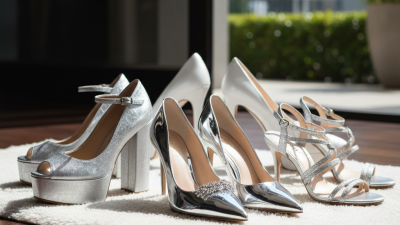
Small details may shape the season more than dramatic designs. Slim straps, covered heels, and discreet metal accents can make familiar footwear feel current. However, not every runway proportion works in daily life. Extremely narrow toes may still create pressure, even when they look elegant. I may be wrong about some color forecasts, because personal wardrobes often resist seasonal predictions. The better choice remains the pair that supports natural movement, feels secure at the heel, and survives repeated wear. Test them on stairs. Your feet will notice.
| Trend Direction | Category | Defining Features | Typical Proportion | Material and Finish | Best Styling Use | 2026 Outlook |
|---|---|---|---|---|---|---|
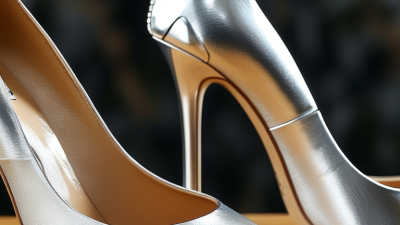
| Sculptural Heels | Pumps and sandals | Curved, flared, twisted, or architectural heel shapes that act as the main design feature | Medium to high; approximately 6–10 cm | Smooth leather, satin, metallic surfaces, and molded heels | Minimal outfits, evening dressing, and fashion-focused tailoring | Strong statement direction |
| Kitten Heels | Slingbacks, pumps, and mules | Low, narrow heels with a polished, refined profile and pointed or almond-shaped toes | Approximately 2–5 cm | Leather, patent finishes, mesh panels, and subtle embellishment | Office tailoring, midi skirts, denim, and day-to-evening outfits | Practical continuation |
| Slingback Pumps | Heels | Open-backed construction, adjustable rear strap, and a visually lighter ankle line | Low to medium; approximately 3–8 cm | Leather, woven textiles, mesh, two-tone panels, and glossy finishes | Workwear, cropped trousers, dresses, and transitional-season wardrobes | Versatile core silhouette |
| Square and Soft-Square Toes | Heels and boots | Broadened toe boxes with squared or gently rounded front edges | Works across flats, low heels, and tall boots | Polished leather, suede, nappa, and contrasting toe caps | Modern suiting, wide-leg trousers, and clean monochrome looks | Contemporary shape update |
| Tall Riding-Inspired Boots | Boots | Knee-high shaft, restrained detailing, rounded or almond toe, and stable heel | Flat to low block heel; shaft generally reaches below or around the knee | Smooth leather, matte leather, subtle grain, and understated hardware | Dresses, skirts, leggings, tucked-in denim, and layered outerwear | High-wear wardrobe staple |
| Slouchy Knee-High Boots | Boots | Relaxed shaft with visible folds, softer structure, and an intentionally non-rigid fit | Knee-high shaft with flat, kitten, or mid-height heel | Soft leather, suede, ruched textiles, and washed finishes | Fluid dresses, long skirts, oversized knitwear, and relaxed tailoring | Soft-volume direction |
| Western-Influenced Boots | Ankle and mid-calf boots | Slightly pointed toe, angled heel, pull-on shaft, and restrained decorative stitching | Low to medium angled heel; approximately 3–6 cm | Leather, suede, contrast stitching, embossed panels, and aged finishes | Straight-leg denim, midi skirts, utility clothing, and casual tailoring | Decorative casual trend |
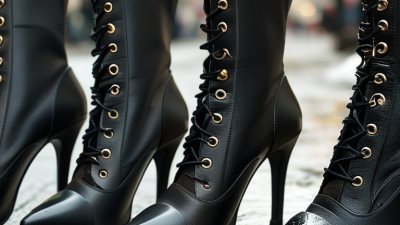
| Moto and Buckled Boots | Ankle and mid-calf boots | Chunkier sole, protective-looking panels, buckles, straps, and reinforced toe areas | Flat to low block heel with a sturdy outsole | Smooth or distressed leather, metal buckles, rubber soles, and tonal hardware | Maxi skirts, denim, cargo trousers, and contrast feminine styling | Utility-led statement |
| Stretch Sock Boots | Ankle boots and mid-calf boots | Close-fitting knitted or elastic shaft that follows the ankle and lower leg | Pointed or almond toe with kitten, block, or slim heel | Stretch textile, ribbed knit, jersey, and smooth synthetic uppers | Slim trousers, midi skirts, fitted dresses, and layered knitwear | Streamlined proportion |
| Platform and Flatform Soles | Sandals, pumps, and boots | Raised forefoot or full-length sole that adds height without relying only on a narrow heel | Low to high total lift; approximately 3–8 cm | Leather, rubber, cork, suede, and layered contrasting soles | Casual dresses, wide-leg trousers, denim, and youthful evening looks | Height with added stability |
Note: The 2026 outlook describes directional fashion themes and product characteristics rather than measured market-share or sales data.